

There’s something truly magical about finding love in the most unexpected moments, especially when you thought that chapter of your life had already closed.
Adapted from the manga series Mitsuya Sensei no Keikakutekina Ezuke by Matsumoto Ayaka, the Japanese BL Mr. Mitsuya’s Planned Feeding takes loneliness and companionship, and turns it into a love story about two men who find comfort in each other.
And it all starts with food.
Novice editor Tomoya Ishida (Sakai Taisei) is unexpectedly given the task of retrieving a manuscript from renowned culinary researcher Ayumu Mitsuya (Yamazaki Masayoshi). From the moment they meet, Ishida is drawn to Mitsuya’s charm and culinary talent. As they spend more time together, Ishida starts to realize that the flutter in his chest is something deeper than just admiration.
My initial thoughts on the series remain fairly the same. Just like in the first two episodes, Mr. Mitsuya’s Planned Feeding doesn’t deviate much from its synopsis throughout, offering an endearing tale of two men in different stages of life finding comfort and companionship in each other.
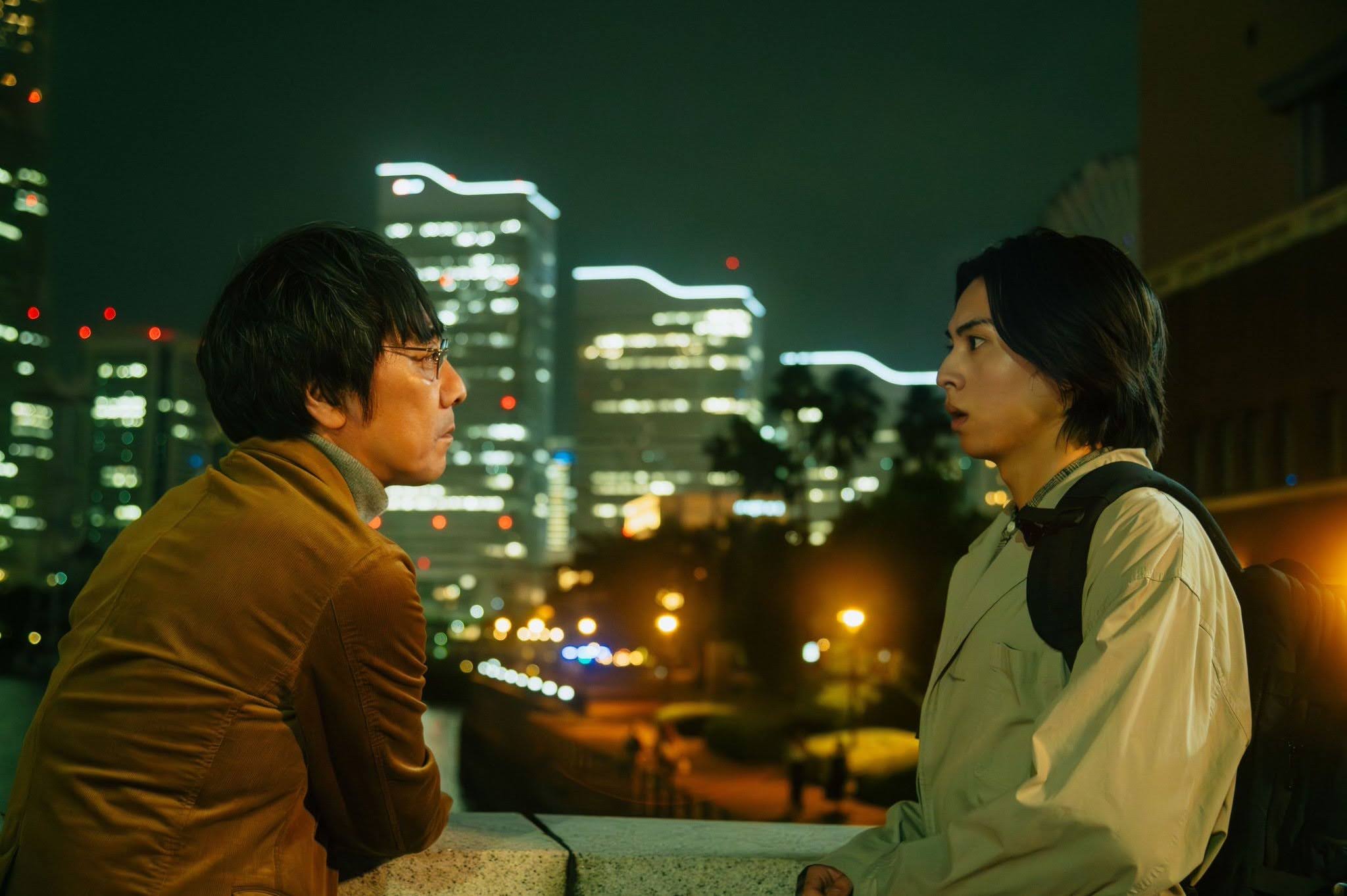
And yet, it’s emotionally and beautifully compelling.
Instead of focusing on the physical relationship between the two men, the series emphasizes their emotional connection. Despite the noticeable age gap, it never feels forced or awkward—it comes across as natural and comfortable. Both men are lost in their own ways, and I appreciate how the series shows that maturity and worldview aren’t always tied to age. Age simply gives us more time to feel lost, and more time to build walls between ourselves and others.
Mr. Mitsuya’s Planned Feeding isn’t an action-packed series. It’s a quiet romance, rich with complex emotions, that subtly tackles themes like ageism, homophobia, and heartbreak. It’s a story about two men, each lost in different ways, learning how to help each other rediscover what they truly want from life.
The age difference in this series adds an interesting dynamic. While it’s significant, it never feels inappropriate—the younger character is an adult man. What I found most compelling, though, is how the story uses their ages to show the unique ways they support and influence each other.

Ishida’s youthful, honest, and open-minded way of seeing the world helps drag Mitsuya out of the distrustful isolation he’d placed himself in. On the other hand, Mitsuya’s worldly experience helps Ishida rediscover his passion for sports from a different perspective.
And that’s what kept me invested in their story.
While I haven’t read the manga this series is adapted from, I found myself impressed by the screen adaptation. It felt comfortable and even, at times, enlightening.
For a series that focuses on life’s small, simple pleasures while subtly touching on homophobia, insecurity, and falling in love, check out Mr. Mitsuya’s Planned Feeding.
Rating- 4.5 out of 5
 The BL Xpress