
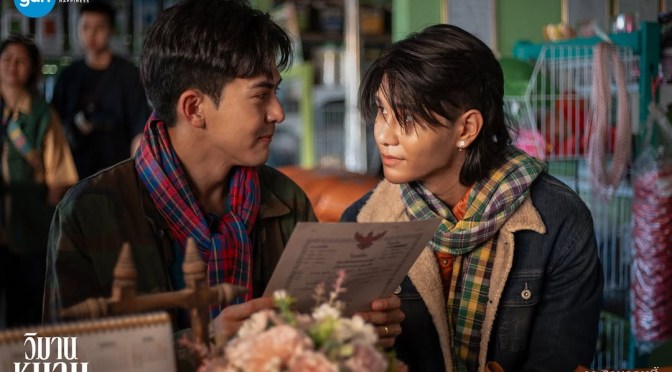
The greed, the death, the unforgiving law, the cruelty of survival, the penitence of sin, and the ultimate price to pay—the aftermath… that is called “The Paradise of Thorns”.
Thongkam (Jeff Satur) and Sek (Toey Pongsakorn Mettarikanon), a devoted same-sex couple, pour their dreams and love into their painstakingly built durian farm. Their eyes shimmer with hope, their hearts beat with love, and their souls weave a future together. But fate is merciless. Tragedy strikes, and Sek meets an untimely, accidental death, leaving Thongkam alone with nothing but their hard-earned farm—once a symbol of their shared labour, now a reminder of devastating loss.
Then, two shadows emerge from the past. Old lady Saeng (Srida Puapimol), Sek’s mother, and Mo (Engfa Waraha), a young woman taken in as her daughter. Their arrival is draped in grief, yet beneath their sorrow lies another truth—a quiet, insidious desire. They have come not just to mourn, but to claim what was never theirs: the valuable durian farm.

The film was shot and released before Thailand officially passed the same-sex marriage bill, and it does not shy away from exposing the brutal consequences of a world that denies legal protection to the LGBTQ+ and non-binary community.
Thongkam and Sek could not legally marry. The law forbade it. And so, despite being the one who invested everything into their farm, Thongkam had no legal right to it. A lifetime of love, erased in an instant by the ink of a law that never recognised their bond.
But beyond the legal injustice, “The Paradise of Thorns” is layered with hidden meanings.
The durian farm itself is more than land—it is Paradise. Durians, with their thorny exteriors, demand careful handling—one wrong move, and their sharp edges cut deep. Yet, beyond the pain, the pulp within is sweet, rich, and rare.
Much like the farm, Paradise is a prize that demands suffering. The question lingers:
Who will claim Paradise?
Who will be left with only thorns?
And is Paradise ever worth the price?
The characterization in this film is breathtaking. It does not hinge merely on the plot; it rests on the shoulders of its characters, who exist in moral grays, never fully evil, never entirely pure. The true villain here is fate—cold, cruel, and indifferent. The film dances with hamartia, the fatal flaw, the errors of judgement that unravel lives. Survival outweighs familial bonds, and each character walks the thin line between guilt and necessity—some with subtlety, others with brazen defiance.
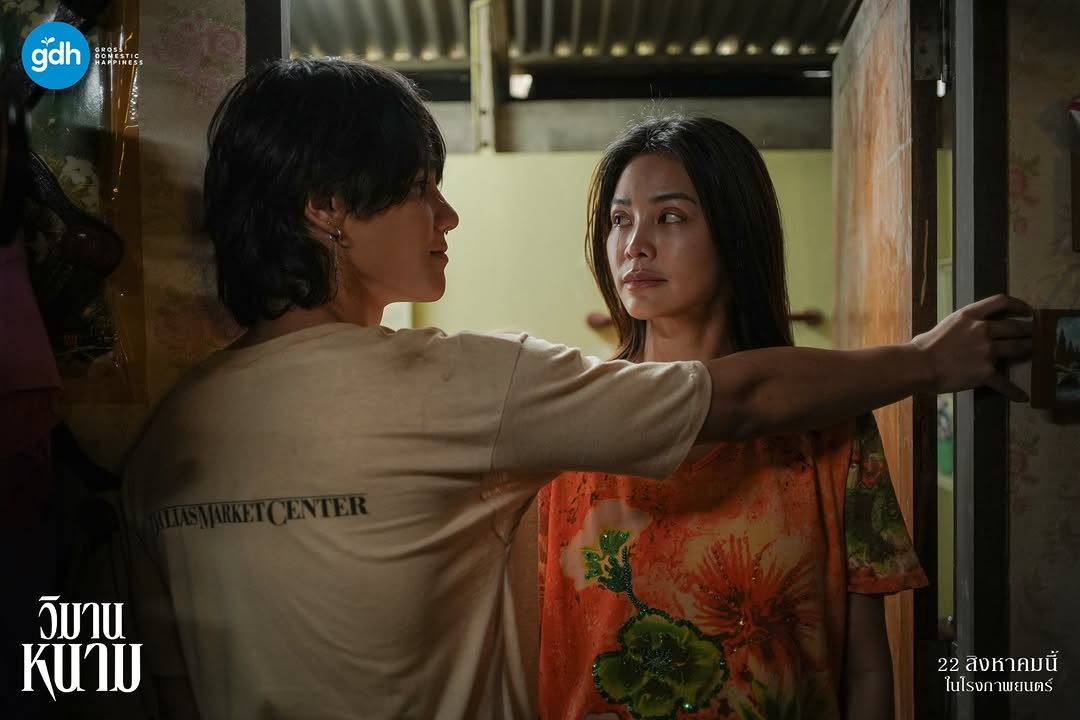
The cinematography is a visual poem. Under the masterful eye of Boss Naruebet Kuno, director of the brilliantly poignant series “I Told Sunset About You”, every frame is a painting, every color a whisper of emotion. Bright, golden hues bask in moments of happiness, while shadows creep into the frames, deep and ominous, swallowing the light in moments of despair.
Now, for the performances—what a stellar cast.
🌿 Jeff Satur delivers a breathtaking performance—layered, restrained, yet overflowing with emotion.
🌿 Engfa Waraha is captivating, bringing depth and nuance to Mo’s internal battle.
🌿 Srida Puapimol as Mom Saeng—what a chilling, cold-blooded act, so brilliantly unsettling.
🌿 Keng Harit Buay as Jingna plays his part well, the calmest presence in a storm of chaos.
🌿 Toey Pongsakorn Mettarikanon as Sek has limited screen time but makes every second count.

“The Paradise of Thorns” is a masterpiece—a film of complex characters, real-world injustices, and storytelling so beautifully painful that it lingers long after the credits roll. The film may give you both adrenaline rush and depression. Keep tissues close—you’ll need them.
Rating- 4.5 out of 5
Sidenote- Originally a theatrical release in Thailand, the film is now available for streaming worldwide on Netflix. Don’t miss it.
 The BL Xpress