
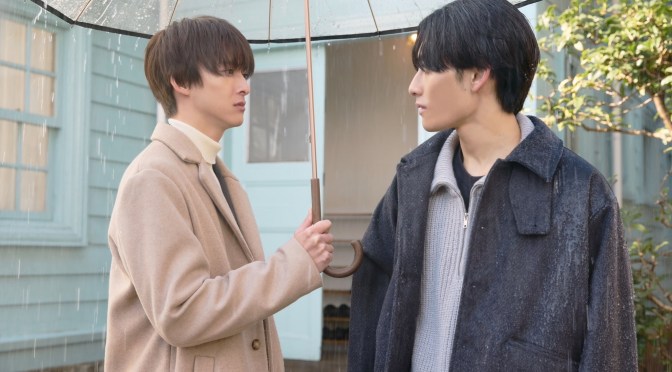
Relationships are complex. They aren’t perfect, but they require communication, trust, and understanding.
In the Japanese BL drama When It Rains, It Pours, Hagiwara Kazuaki (Muto Jun) leads a life devoid of intimacy with his girlfriend—until a small mistake alters his path. An email, mistakenly sent to his coworker Nakarai Sei (Iti Asahi), sparks an unexpected connection. What begins as a simple exchange soon blossoms into a raw and liberating bond between two individuals yearning for the love, desire, and intimacy they’ve been missing.
At first glance, When It Rains, It Pours might seem like a story about infidelity, but as the drama unfolds, it becomes clear that it’s about much more. It’s a deep exploration of four people and the personal truths they’ve clung to so tightly that their relationships have suffered as a result. The fundamental bonds that sustain a relationship were never truly formed, leaving each character struggling to move forward.
At its core, When It Rains, It Pours is a straightforward story. Two men, both longing for a deeper connection with their partners, unexpectedly find solace in each other. Their frustrations lead them down a path that ultimately results in love. Did they cheat? Yes. Could they have tried harder to communicate? Maybe. But mistakes, in this case, lead to revelations—truths that might have otherwise remained buried.
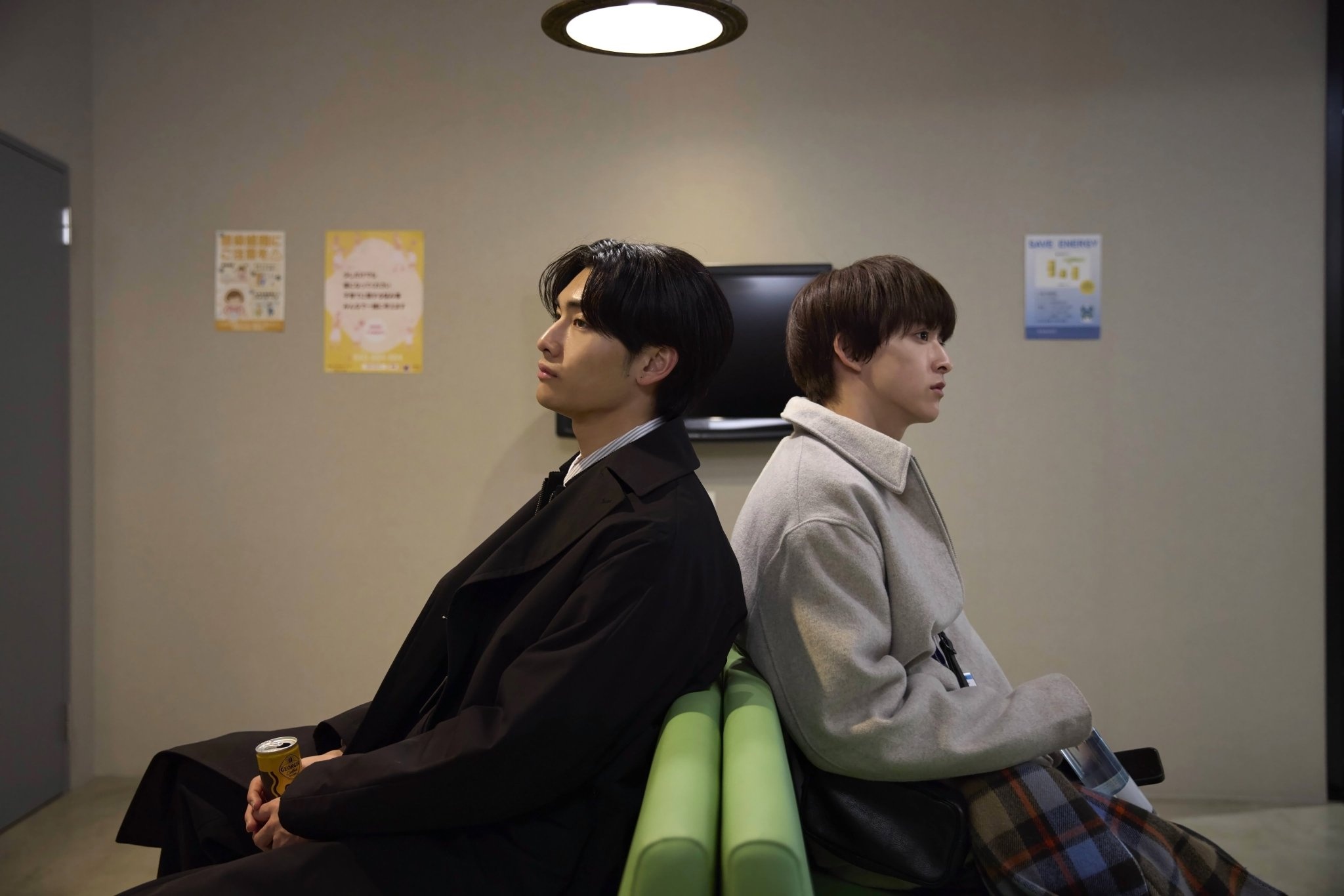
What I appreciated most about this series is its balanced portrayal of every character. While their relationships fall apart, neither Hagiwara nor Nakarai’s partners are depicted as villains. Instead, the series acknowledges that everyone—both the main leads and their partners—bears some responsibility for what unfolds.
This nuanced storytelling also allows for a refreshing exploration of intimacy. When It Rains, It Pours subtly suggests that intimacy isn’t always a necessity for everyone, and it was particularly compelling to see a possible asexual character represented. Hagiwara’s girlfriend, Kaori (Akita Shiori), feels emotionally and romantically connected to Hagiwara but struggles with sexual intimacy. Whether this stems from a past trauma, a possible lack of attraction to men in general, or places her on the asexual spectrum is left ambiguous, but I leaned toward the asexual spectrum—which made me realize how much I’d love to see more series exploring this dynamic.
That said, while no one in When It Rains, It Pours is truly a villain, certain biases and flaws make some characters harder to connect with—especially Kaori and Nakarai’s best friend, Fujisawa (Matsumoto Hiroki). As Hagiwara and Nakarai’s relationships begin to crumble, glimpses of homophobia (Kaori) and selfishness, even violence (Fujisawa), emerge, adding another layer of complexity to the narrative. I know these traits don’t necessarily mean Kaori and Kazuaki are inherently good people, but they do leave room for growth. These moments force them to confront their flaws and ask themselves tough questions—about who they are, what they believe, and what they need to face in order to change.
Ultimately, it takes Hagiwara and Nakarai finding each other to gain clarity about their relationships. Once they move past their loneliness, they begin to see the deeper cracks in their partnerships—flaws that had been masked by sexual frustration and emotional neglect. Even if they hadn’t found each other, the growing resentment, isolation, and dishonesty in their respective relationships may have led to their inevitable demise or unhappy marriages.

Hagiwara and Nakarai’s connection marks a new beginning—one that starts at the end of their previous relationships but is no less meaningful because of it. Despite everything, I found myself rooting for them.
For a drama about unexpected connections and truths, check out When It Rains, It Pours today on GagaOOLala.
Rating- 4.5 out of 5
 The BL Xpress