
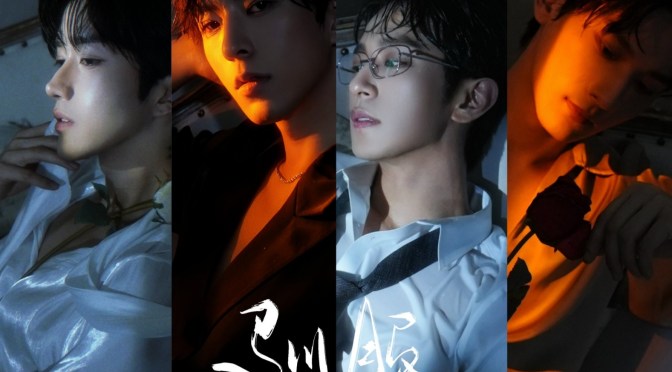
In a bold leap forward for Chinese Boys’ Love dramas, ABO Desire (垂涎) breaks new ground as the world’s first live-action Omegaverse series centered on male pregnancy.
Yes, you read that correctly — the series revolves around male pregnancy.
Set in a world transformed by a genetic mutation that divides humanity into secondary genders—Alphas, Betas, and Omegas—the Omegaverse (also known as the ABO universe) is a subgenre that blends science fiction, fantasy, and romance. In this universe, scent-driven attraction, dominance hierarchies, and unconventional reproductive roles come into play in ways that defy traditional norms.
Alphas are powerful and dominant, often occupying positions of authority. Betas make up the neutral majority, with no heightened traits. Omegas—regardless of biological sex—can enter “heat” cycles and are capable of becoming pregnant. Yet despite this vulnerability, or perhaps because of it, Omegas are often viewed as the lowest members of society. No matter their wealth or education, they are frequently treated as inferior.

The Omegaverse is a provocative and often controversial storytelling space, but it opens the door to compelling narratives that explore power imbalances, social prejudice, and survival in a world where biology dictates destiny. In ABO Desire, these themes are brought to life with striking intensity, lavish production, and a fresh, fearless take on identity, power, and the complexities of love, duty, and fate.
Episode One serves as an atmospheric introduction to this intricate setting, focusing on biology-based social hierarchy, corporate intrigue, and character motivation. At the center is Sheng Shaoyou (played by Qiu Dingjie), an S-Class Alpha and heir to a powerful biotech empire. Cold, calculated, and used to getting what he wants, Shaoyou crosses paths with Hua Yong (played by Huang Xing)—a delicate, soft-spoken intern who appears to be the perfect Omega.
But beneath Hua Yong’s porcelain façade lies a deeper mystery that immediately captivates Shaoyou. The episode also hints at internal tension within the corporate world through characters like Gao Tu (played by Li Pei’en), who presents as a Beta but may be concealing his true Omega identity, and Shen Wenlang (played by Jiang Heng), a rival Alpha executive entangled in the unfolding power struggle. Rather than diving straight into romance, the premiere emphasizes world-building—laying the groundwork for the rigid class structure, shifting power dynamics, and emotional complexity that will define the series moving forward.
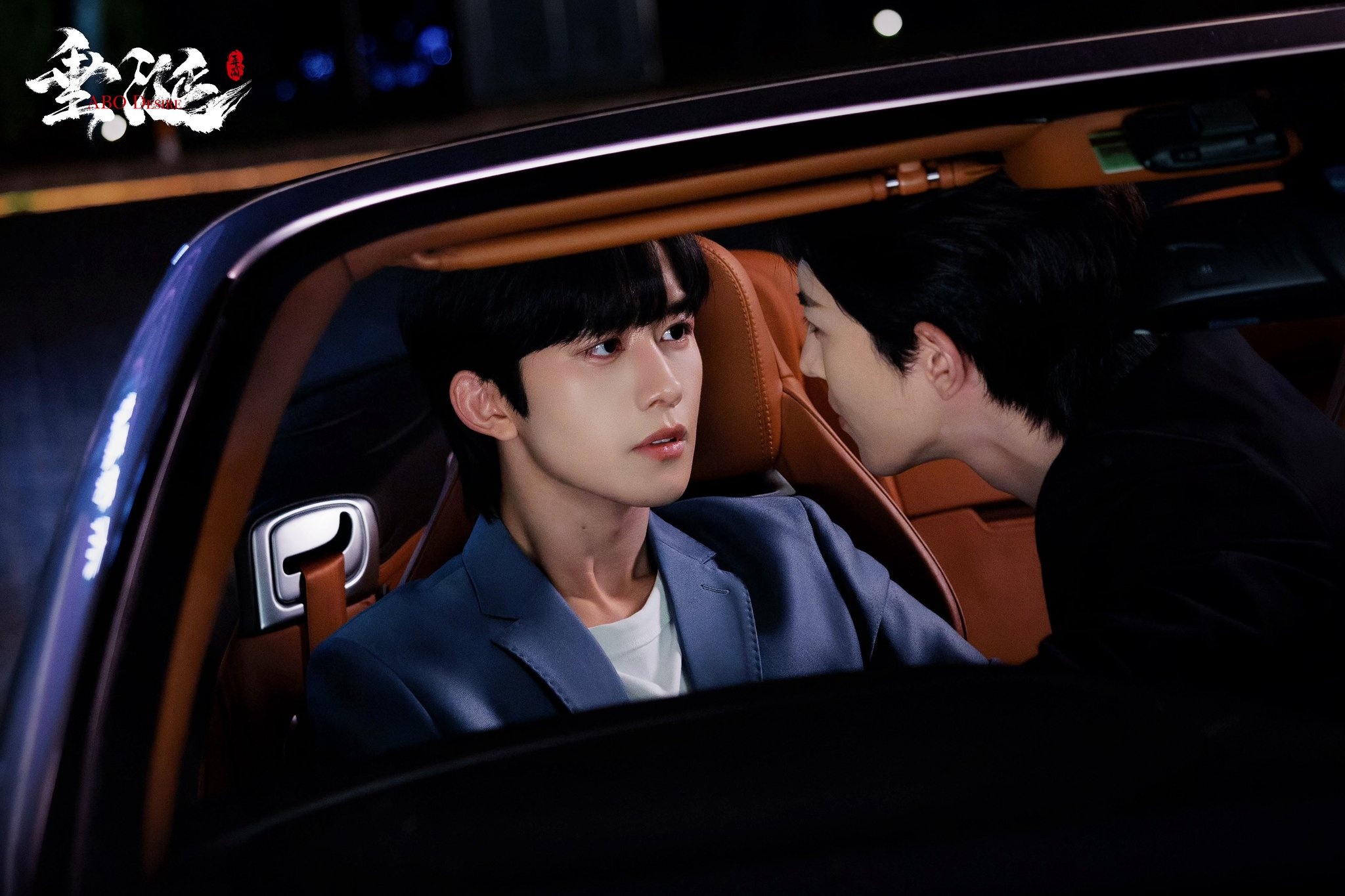
In Episode 2, power dynamics intensify as Shaoyou rescues Hua from harassment at a club by exerting his Alpha dominance. Drawn to Hua’s poise and unexpected resolve, he later arranges housing for him—only to discover the lease is mysteriously listed under Gao Tu’s name, sparking jealousy. At a formal gathering, Hua once again becomes the center of unwanted attention, prompting Shaoyou to intervene, reinforcing both his protective instincts and his growing possessiveness.
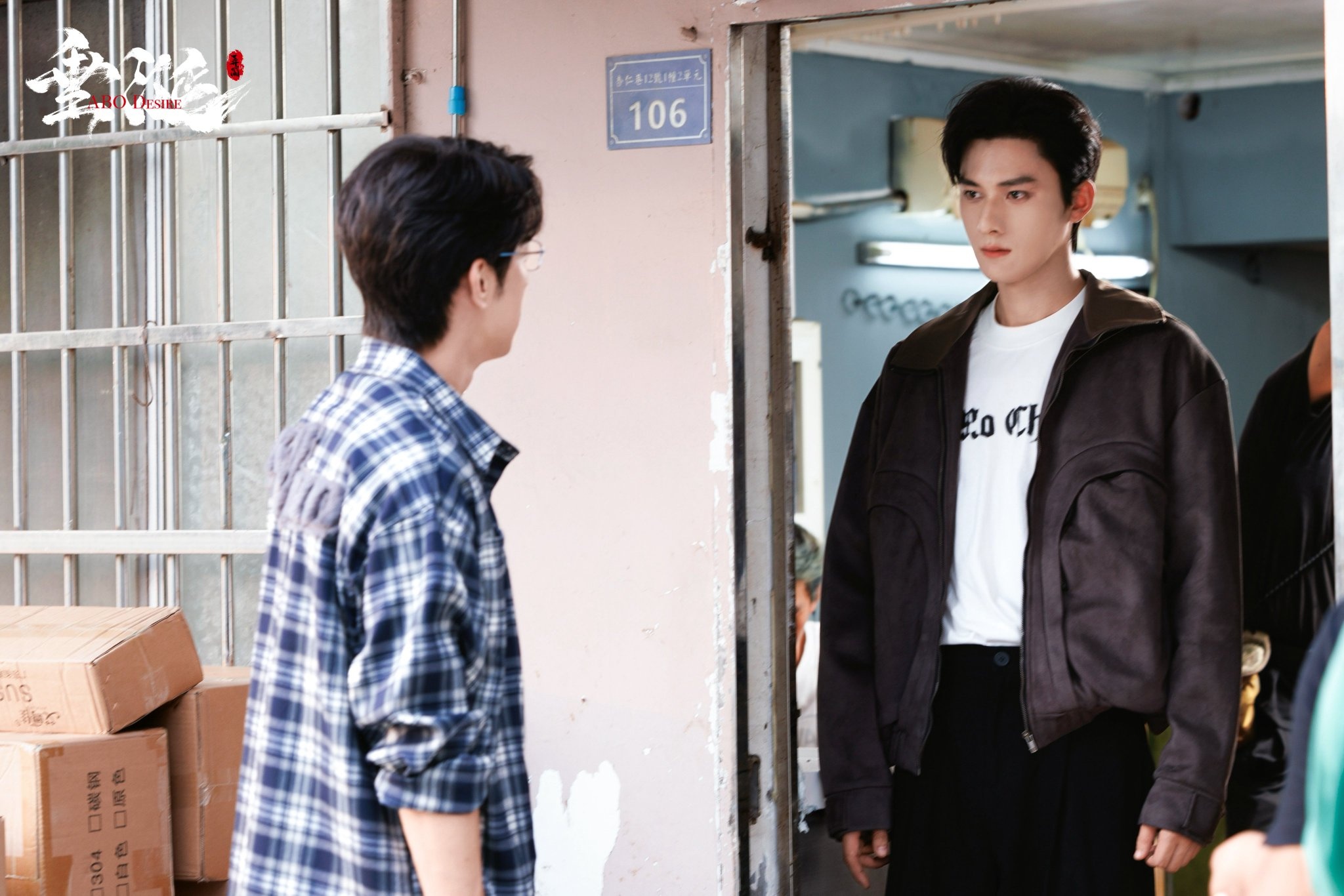
Episode 3 deepens their bond. Hua begins spending more time in Shaoyou’s orbit, subtly testing boundaries and emotional responses. Shaoyou offers him a repayment schedule for his support, but ultimately tears it up, signaling preferential treatment. As Hua moves into Shaoyou’s luxury apartment, the two grow closer, though Hua still resists defining their relationship. Meanwhile, Gao Tu struggles with the side effects of long-term suppressant use, further complicated by familial pressure, setting the stage for a fraught secondary romance with Shen Wenlang.

In Episode 4, a brief cooling-off period begins as Hua declares his intent to move out, unsettling Shaoyou. In response, Shaoyou cuts ties with other Omegas in his life and offers a rare, sincere apology. Elsewhere, Gao Tu collapses from suppressant-related complications and quietly loses his job, signaling Shen Wenlang’s increasing intolerance for Omegas hiding in plain sight.
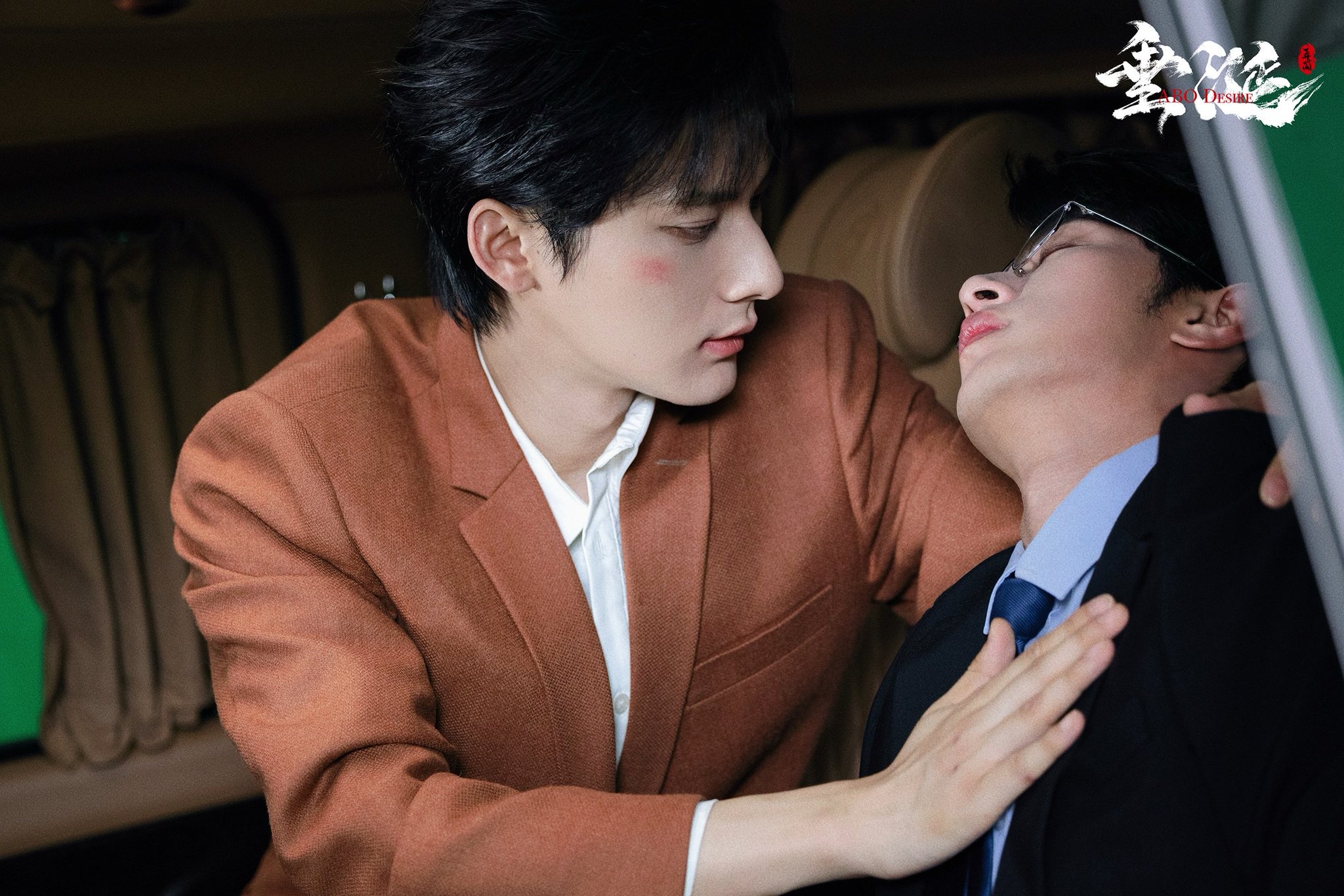
Episode 5 raises the emotional and narrative stakes. Gao Tu continues risking his health to remain close to Shen Wenlang, despite worsening symptoms. Meanwhile, Hua shares insider knowledge of corporate sabotage, and Shaoyou considers permanently marking him—an irreversible Alpha-Omega bond. Hua resists, urging caution. When he disappears during an unexpected heat cycle, Shaoyou uncovers a bug in Hua’s belongings, planted by his own assistant, casting suspicion on Shen Wenlang. The episode ends with Hua reappearing and revealing the disappearance was staged—to test Shaoyou’s loyalty.
Fleshing out the emotional and moral complexities beneath Shaoyou and Hua’s fragile alliance has been incredibly engaging. Shaoyou grows increasingly protective, teetering on the edge of obsession, while Hua navigates their dynamic with calculated control—carefully balancing vulnerability with distance. Gao Tu’s hidden identity and the burden of suppression add a layer of quiet tragedy to the secondary romance. The series continues building momentum toward a larger reveal, as its central relationships deepen in intensity and danger.
ABO Desire is based on the original novel by Nong Jian (农见), a Chinese author known for exploring bold, genre-pushing themes within the Boys’ Love space. The novel—also titled 垂涎—gained notoriety online for its daring use of Omegaverse world-building, emotionally intense relationships, and its exploration of power, identity, and bodily autonomy. Nong Jian is also credited as the screenwriter and creative director for the live-action adaptation, giving the series a rare level of authorial control. Their involvement suggests that the drama will remain faithful to the original tone and character dynamics—at least as much as censorship allows.

What makes ABO Desire so impressive—and frankly, astonishing—is that it exists at all. China’s media industry operates under strict censorship regulations, especially when it comes to LGBTQ+ representation. While Boys’ Love stories have exploded in popularity, adaptations are often forced to remove or obscure queer content to comply with government standards. Physical intimacy between male leads is frequently replaced with lingering glances, coded dialogue, or abruptly rewritten endings. Entire series have been pulled mid-airing (Addicted), altered beyond recognition (Advance Bravely), or quietly buried without promotion. Within that environment, a show like ABO Desire—which not only leans into queer romance but also incorporates provocative themes like male pregnancy and biological caste systems—feels like a miracle. Its very existence pushes against the boundaries of what Chinese BL dramas have been allowed to explore.
Yet here is a series that not only embraces the Boys’ Love label but dives headfirst into one of the most provocative subgenres in queer storytelling. With its explicit themes of gender hierarchy, biological determinism, and male pregnancy, ABO Desire boldly challenges the limitations of what’s typically allowed in Chinese media—but whether it will be allowed to go the distance remains to be seen.
Take, for example, Pit Babe—a Thai BL series that borrowed Omegaverse language but ultimately avoided the genre’s most defining elements. While the original novel included ABO world-building and even hinted at male pregnancy, the adaptation removed those elements entirely. There’s no mention of secondary genders, no formal heat cycles, and no mpreg. The term “Alpha” is reduced to a metaphor for characters with special abilities, stripping the Omegaverse of its biological and societal implications.
By contrast, ABO Desire has—so far—committed fully to its Omegaverse identity. But will it last? Will China allow the series to air in its entirety without forced edits or vanishing episodes?
Only time will tell.
While the series will no longer be streaming on WeTV and iQiYi for international viewers, it is still airing on GagaOOlala and Rakuten Viki.
There will be more BL reviews soon so…
Stay Tuned.
Rating- 4 out of 5
 The BL Xpress