
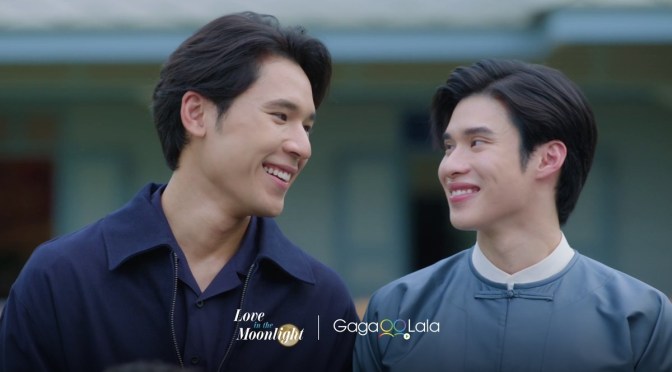
The fight to love who we want to love, and to entrust our hearts to the person we choose, has always been a long, difficult battle. To win it often means getting hurt along the way.
That’s exactly what Love in the Moonlight captures from start to finish. Set in 1963, after political shifts between Nanta and Chansaeng, Prince Saenkaew (Peak Peemapol Panichtamrong) is sent to Bangkok under the weight of an arranged marriage. His bride-to-be, Pinanong (Perth Veerinsara Tangkitsuvanich), has adored him since childhood and sees their engagement as a dream come true. For Saenkaew, though, it’s just another link in the chain of duty, expectation, and guilt that has bound him since birth.
But duty is only one part of the storm Saenkaew finds himself in. Pinanong’s cousin, Sasin (Pearl Satjakorn Chalard), enters the story as a teasing figure who tests Saenkaew’s boundaries in his attempt to protect Pin. Yet behind every smirk and every glance is a growing attraction neither he nor Saenkaew can ignore. Between them lies something more dangerous than politics: the risk of being truly seen.
As the series unfolds, no one emerges untouched. Saenkaew is weighed down not only by his family’s demands, but also by his father’s cruelty, his mother’s death, and his own self-blame. Pin, trapped by abuse within her own family, clings to Saenkaew as her lifeline, confusing his respect with the love she’s always wanted. And Sasin, caught in the middle, wrestles with a loyalty to both his cousin and his own heart. In their different ways, all three long for freedom. All three are victims of circumstance, torn between survival, duty, and desire.
When I wrote my initial thoughts on the series, I was already struck by how raw and painful the humanity beneath the politics and pageantry felt. That never went away. If anything, it only deepened. Saenkaew has never known love without pain, guilt, or shame, and he carries the weight of everyone’s suffering as though it’s his own fault. Pin, desperate to escape, is blinded by the freedom and love she believes she’s lost. And Sasin, realizing both his sexuality and his love for Saenkaew amidst chaos, holds onto him with unwavering loyalty, even as his own life is threatened. Watching them unravel and rebuild themselves felt painfully real.
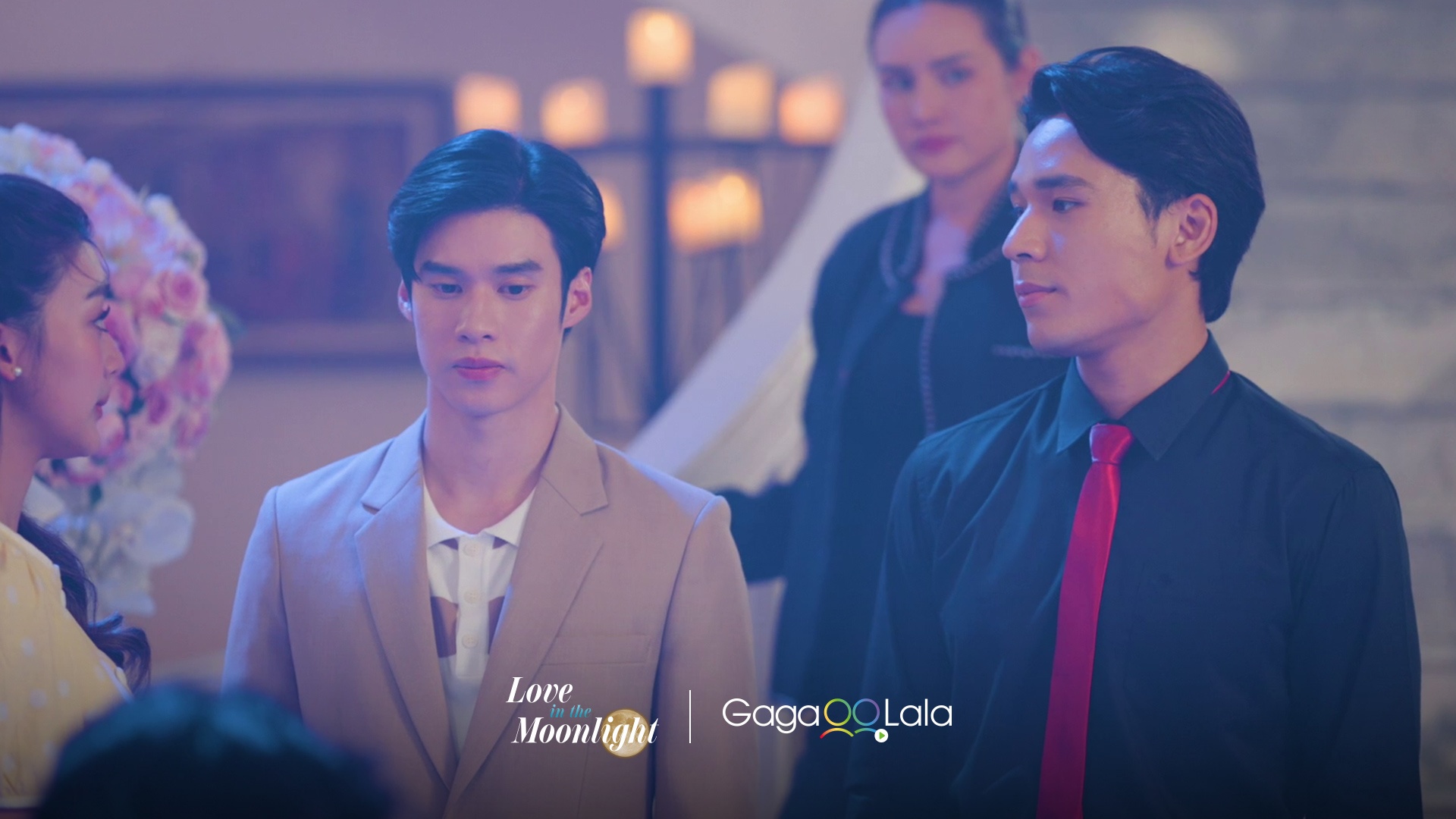
From beginning to end, Saenkaew’s fight to follow his heart is one of sacrifice, stolen moments of joy, and devastating losses. How each viewer feels about this story will depend entirely on how they’re moved by it. No one character will be liked or hated the same way, and I think that speaks highly of the writers, cast, and crew. For me, I found it most difficult to forgive Saenkaew’s father, even when the drama attempted to redeem him. My own experiences with an abusive, homophobic father growing up made that particularly difficult, but that’s also the power of storytelling: it forces us to confront personal truths in the mirror of fiction.
But, through it all, what held me most was Saenkaew and Sasin’s love story, founded in loyalty, desire, and an impossible longing to protect each other. Through every betrayal, every attempt on their lives, every greedy power play, they kept reaching for one another. Their chemistry was palpable, their connection gripping. And even during the stolen moments, such as the balcony music, needy glances, gentle touches, and desperate confessions, I found myself pausing the television to breathe and prepare myself for whoever might catch them and whatever might come next.
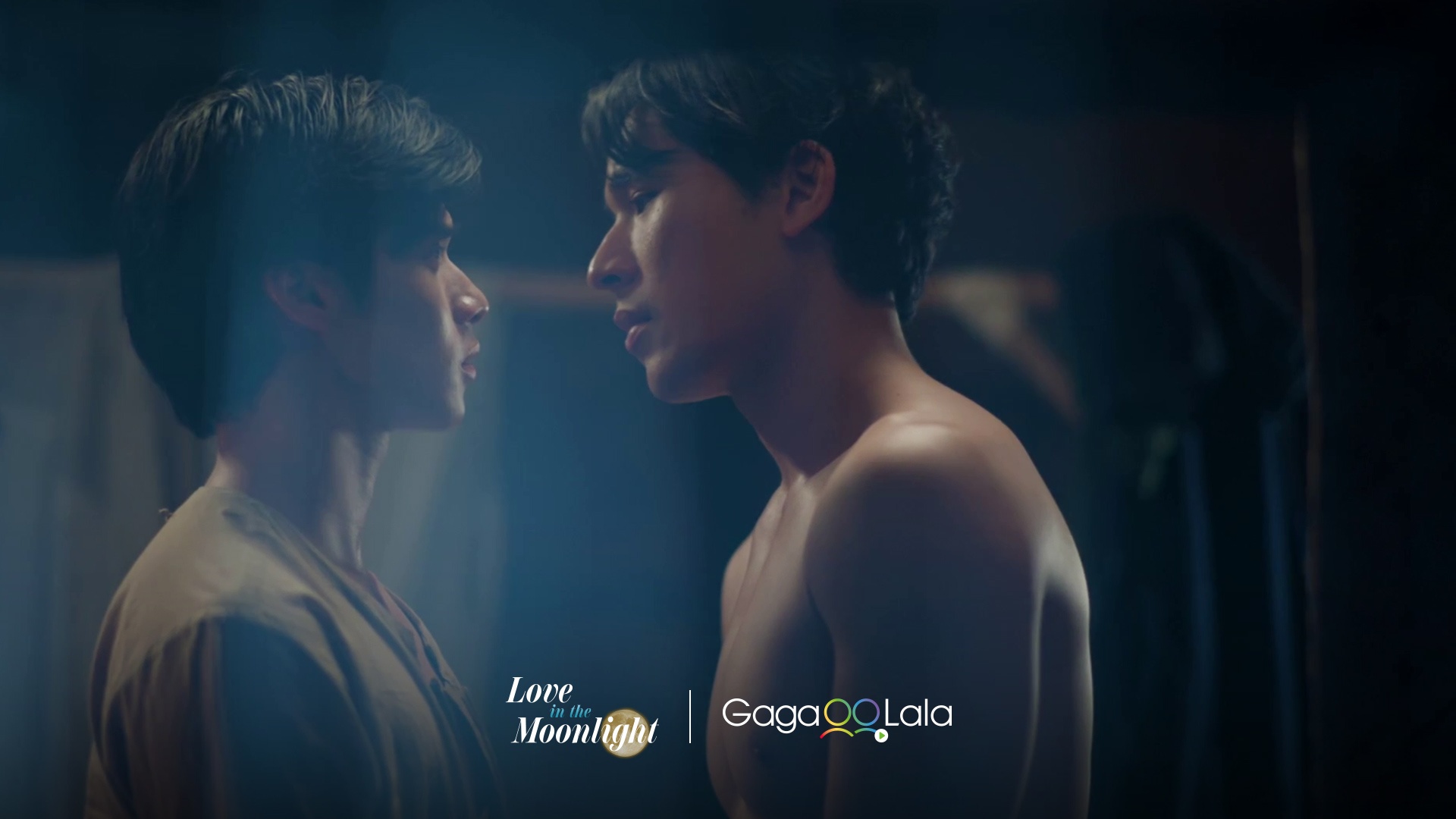
The cast deserves every ounce of praise. Peak embodied Saenkaew’s torment with heartbreaking nuance, every choice feeling pivotal and weighted with the consequences to come. For me, what was most striking is how a character who constantly apologized for simply existing and who believed himself the weakest link in his family, proved to be the strongest of them all. Saenkaew endured every pain, made every sacrifice, and survived each blow, carrying the weight of his world with quiet resilience. In the end, his strength came from something simple yet profound: the knowledge that Sasin was alive was enough to give him the will to keep going. And Peak pulled that resilience off brilliantly.
And then there’s Pearl.
Pearl awed me with his subtle, raw emotional delivery. His ability to convey emotion without dialogue is nothing short of remarkable. His facial expressions alone are truly a work of art. Never overdone. Subtle. Raw. Telling. And I found myself moved by every moment he was on screen. As Sasin, Pearl never wavered. He stepped into the emotional desperation and desire needed to pull Sasin off and gave it a hundred and ten percent. When Sasin cried, I cried, and that says a lot about how realistically raw and intense his performance was.
Together, Pearl and Peak created a couple whose love felt as doomed as it did undeniable, and I couldn’t look away.
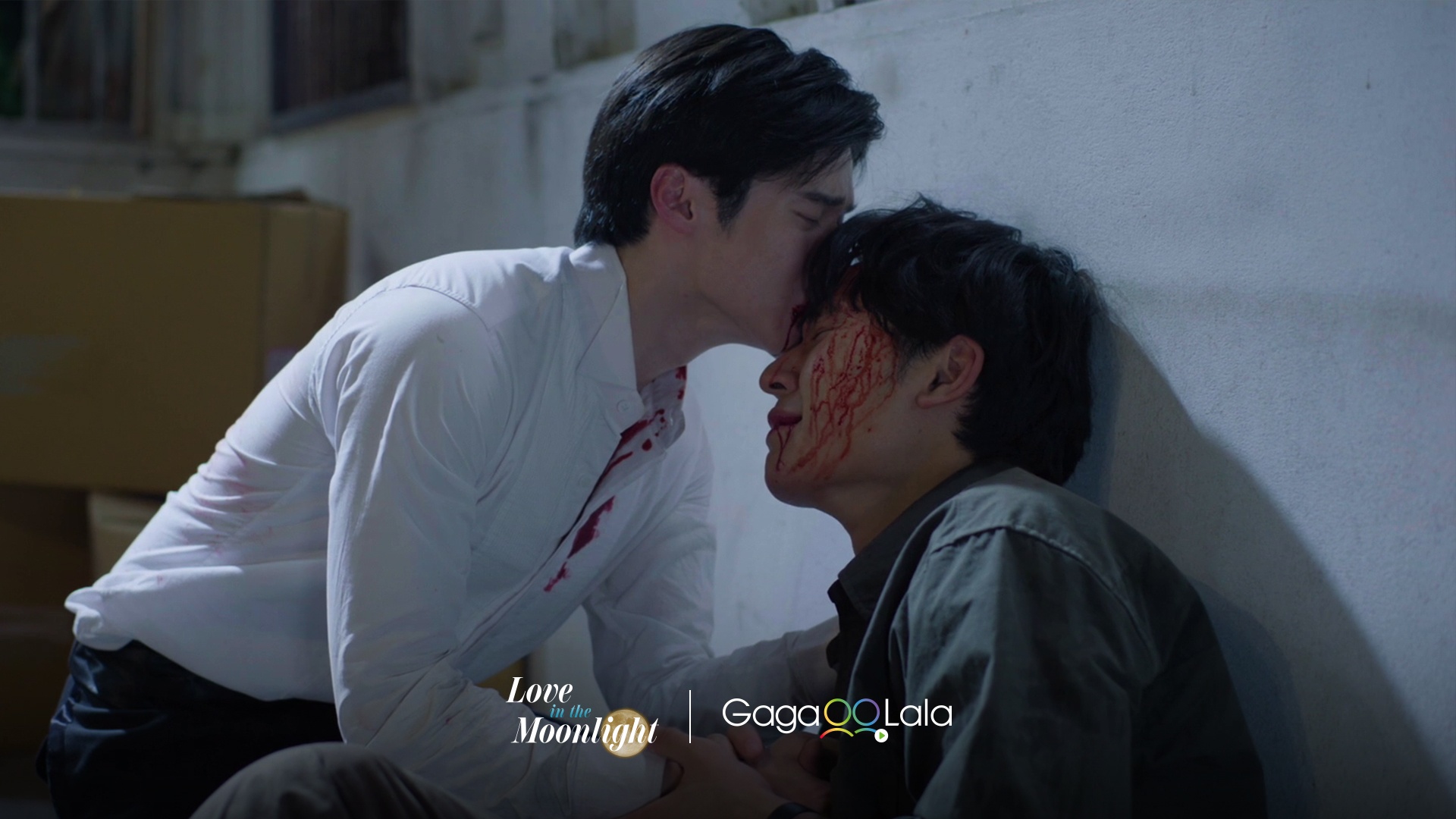
Perth, too, deserves special mention for her portrayal of Pin. To make me swing between love, frustration, contempt, and gratitude is no easy feat, and she handled that balance beautifully. Pin is a complicated character who I struggled with quite a bit, especially once she and Saenkaew were married. Her choices made sense to an extent considering the time period and women’s roles, but her firm stance even after seeing the physical abuse Saenkaew was receiving and after knowing that Sasin’s life was in danger, made it hard to connect with her. Her saving grace is how well Perth’s performance managed to convey the fine balance between the hate she felt over her own circumstances and how that hate blinded her until she couldn’t avoid the truth any longer.
Which brings me to all the crying these actors had to do. Crying on screen isn’t an easy feat. I’ve personally seen a lot of actors on the sets I’ve been on here in the U.S. struggle with it. And Pearl, Peak, and Perth spent much of their time on screen in tears. Bravo for pulling this off when that had to be emotionally draining.
Yes, there were continuity issues here and there and some of the melodrama leaned into soap opera excess, but none of that detracted from the impact. If anything, it heightened the sweeping, operatic tone of the story.
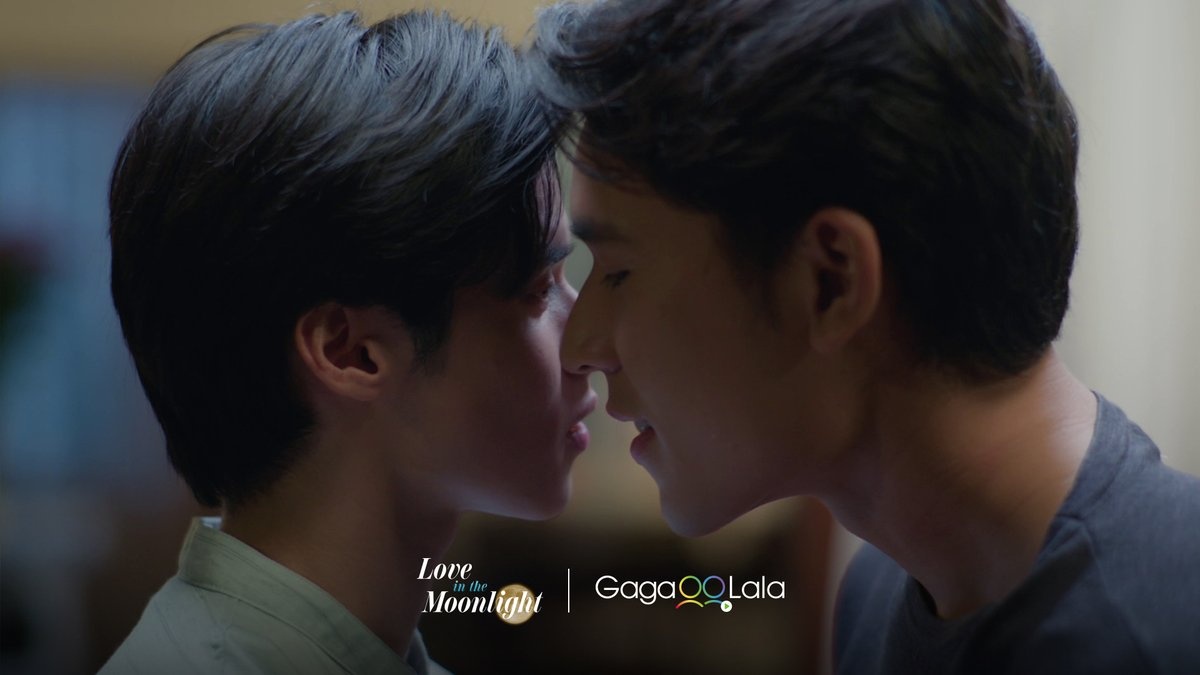
In the end, Love in the Moonlight isn’t just a love story. It’s a stark look at duty, survival, guilt, and the human need for freedom. It’s about what we lose in the pursuit of love, and what we’re willing to risk to finally hold it.
For a series that will take you on a personal emotional journey through Saenkaew and Sasin’s fight for love, check out Love in the Moonlight, now streaming on GagaOOLala. I highly recommend it, and I hope to see all these actors on screen again soon.
Rating- 4 out of 5
 The BL Xpress