
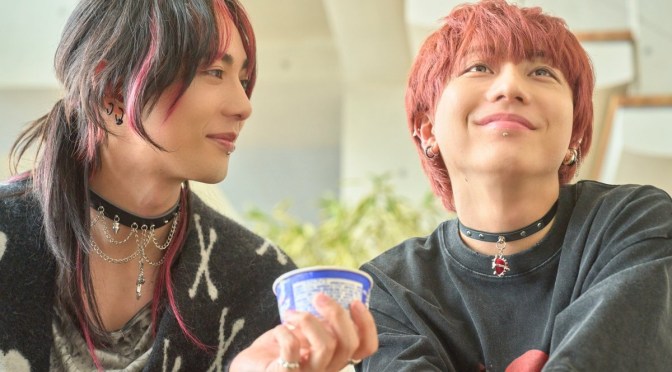
There are always multiple sides to every person, each revealed a little differently depending on who we’re with, and each a piece of who we are as a whole.
Punks Triangle, adapted from Okita Yuho’s manga, leans wholly into that idea through the complicated, intertwined lives of fashion student Sumiura (Nagano Ryota) and his classmate Enaga (Fujibayashi Yasunari), whose secret life as runway model AE becomes the axis their entire relationship revolves around. What begins as a partnership in a design competition turns into an intricate romance built on identity, vulnerability, and the versions of ourselves we allow others to see.
From the start, the series stays true to the heart of its source material, letting us feel the contrast between who Sumiura appears to be and who he truly is. Outwardly cool, ambitious, and determined, Sumiura hides a softness he rarely lets anyone touch. Enaga mirrors that duality, clumsy and unassuming in class, magnetic and confident under the lights as AE. Sumiura’s “love triangle” with AE and Enaga isn’t really about competing affections; it’s about the collision of identities neither Enaga nor Sumiura expected to expose.
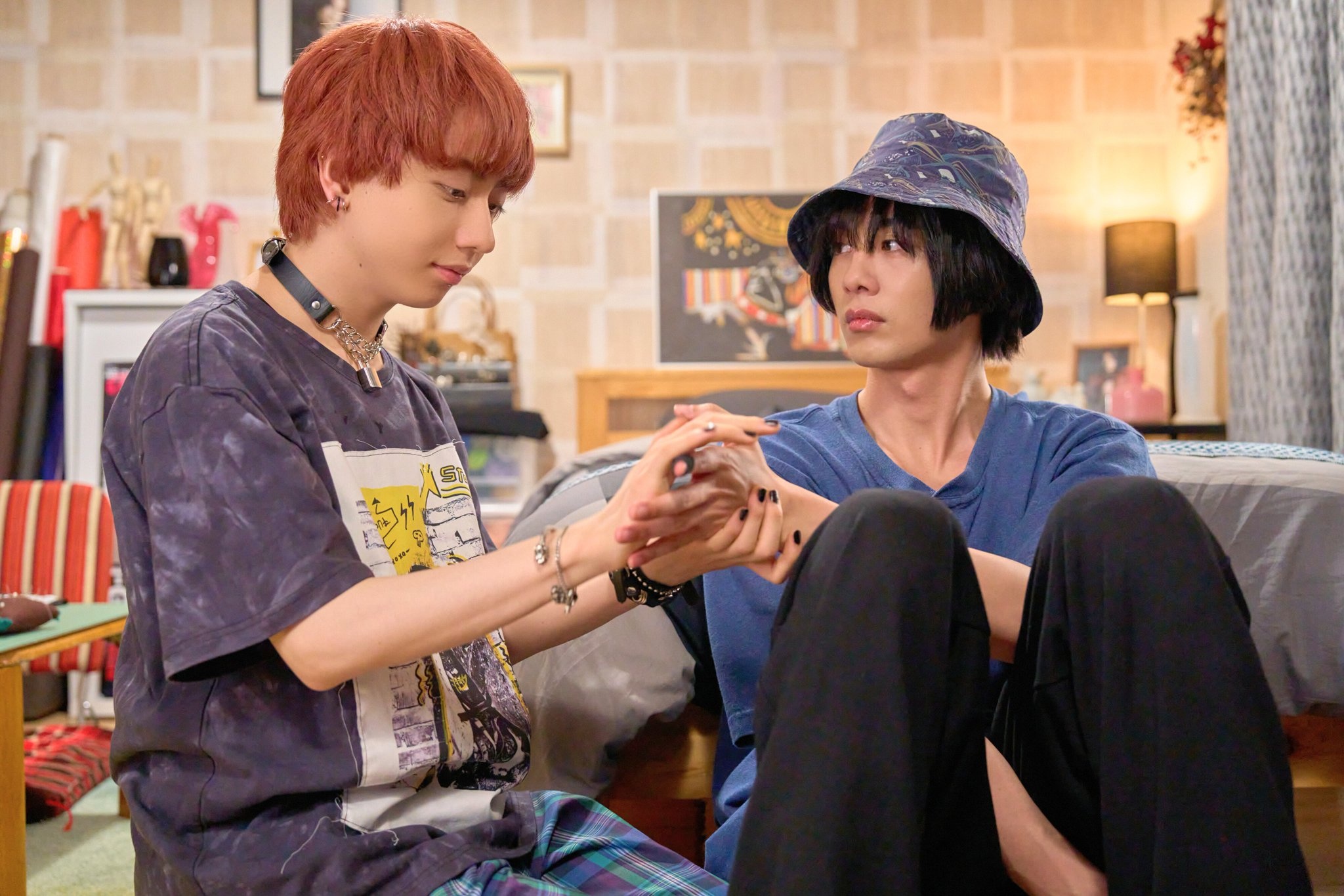
And now that the full story is told, that duality is exactly what makes Punks Triangle such an emotionally rewarding watch.
From beginning to end, there’s an undeniable charm to this drama, one that frames bravery and betrayal as two sides of the same coin. Enaga’s decision to hide his modeling identity feels justified, grounded in real fear, self-protection, and a need to protect Sumiura’s dream. But Sumiura’s reaction to the truth carries its own emotional weight, rooted not only in his history with dishonesty but in the uncomfortable realization that his anger is directed more at himself than at Enaga.
Because deep down, Sumiura understands Enaga’s reasons. And the moment he sees Enaga walking confidently onstage in the outfit they created together, it becomes clear that Sumiura’s real conflict is with his own identity, specifically the version of himself he shows the world versus the one he hides.
What makes their dynamic so fascinating is that even without an alter ego, Sumiura has been living between personas, too. The confident designer he strives to be, and the uncertain young man he is when the lights dim. Enaga just happens to be the only person who has witnessed both, which means that, in a way, they’ve both been hiding and revealing themselves in equal measure.
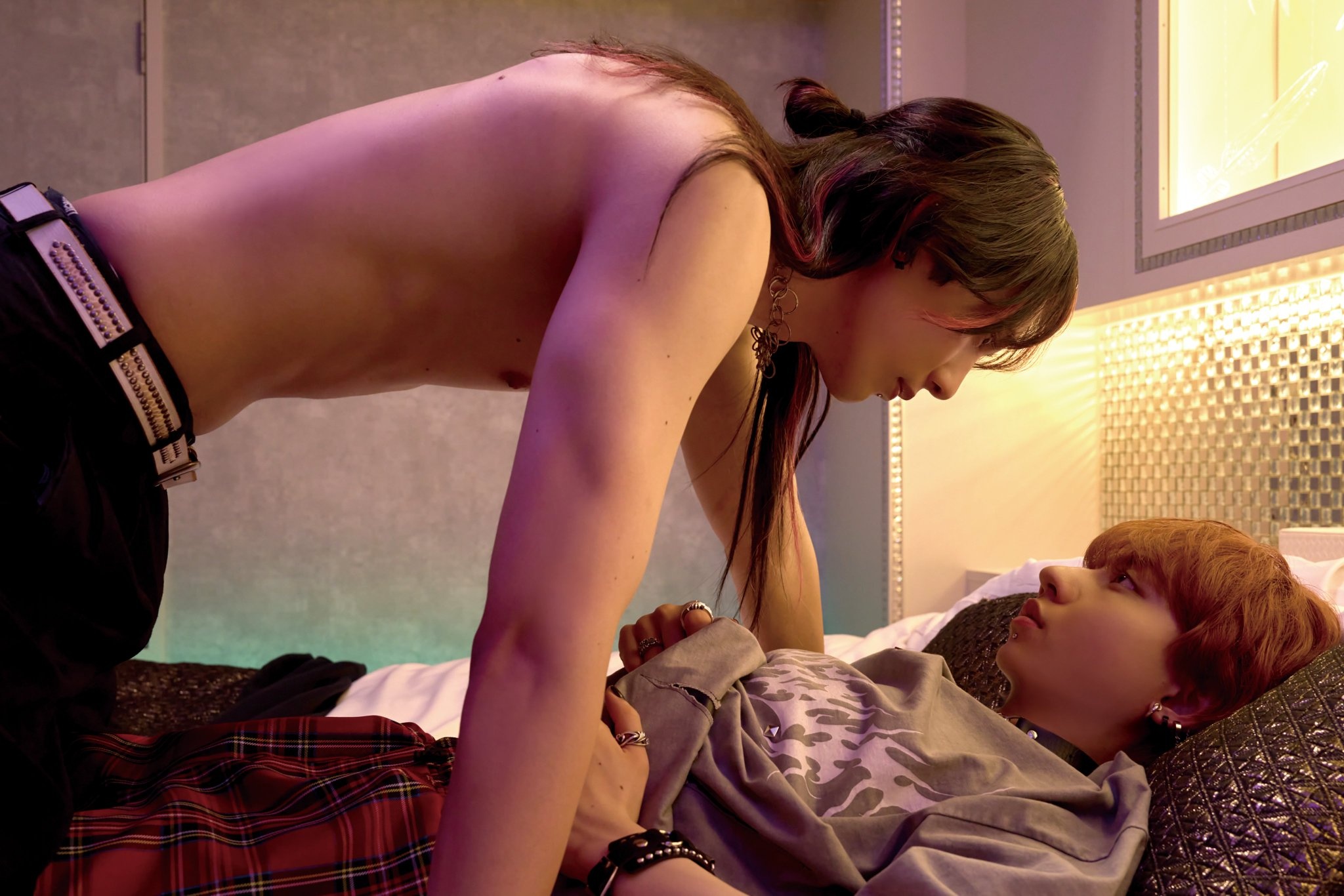
That layered exploration of identity is what gives Punks Triangle its emotional depth. Beneath the punk aesthetic with the bold clothes, the fearless style, the performances that scream confidence, there’s a quiet vulnerability. The story celebrates the freedom fashion gives them to be braver versions of themselves while also acknowledging the fears they still carry beneath the surface.
The ending brings that all full circle. It isn’t just about Sumiura and Enaga choosing each other, it’s about choosing to stop hiding. About learning that confidence isn’t the absence of insecurity but the willingness to exist openly, flaws and all.
And for that, Punks Triangle becomes much more than a mistaken-identity romance. It becomes a story about being seen fully, honestly, and without fear.
For a heartfelt romance that explores identity, vulnerability, and the messy beauty of falling in love, check out Punks Triangle now on GagaOOLala. I highly recommend it.
Rating- 4 out of 5
 The BL Xpress