
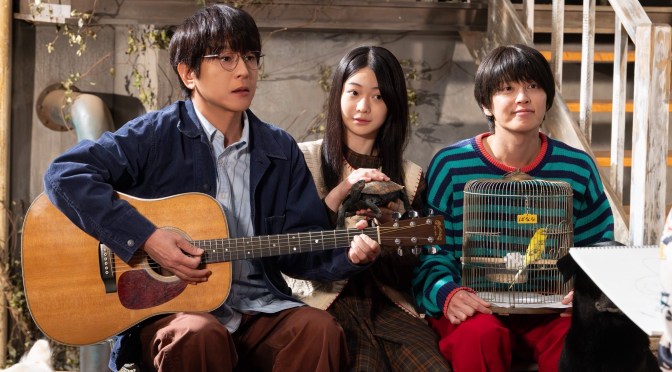
“A chosen family is where you are accepted, where you are seen, where you are loved.” – Oprah
The best way to describe this series is that it is off-beat and quirky. It is also warm, gentle, loving, peaceful, reflective, tender, devoted, relaxed, reverent, nurturing, and supportive. Have I left anything out? Oh yes, it is joyful! And underlying it all, is a powerful message for change. A change that will come. I could have quickly finished this series, but I deliberately did not want to. I wanted the warm snuggly feeling that came over me while I watched each episode to not leave me; so, I spaced out the timing to watch this series as long as I could to feel that pleasure.
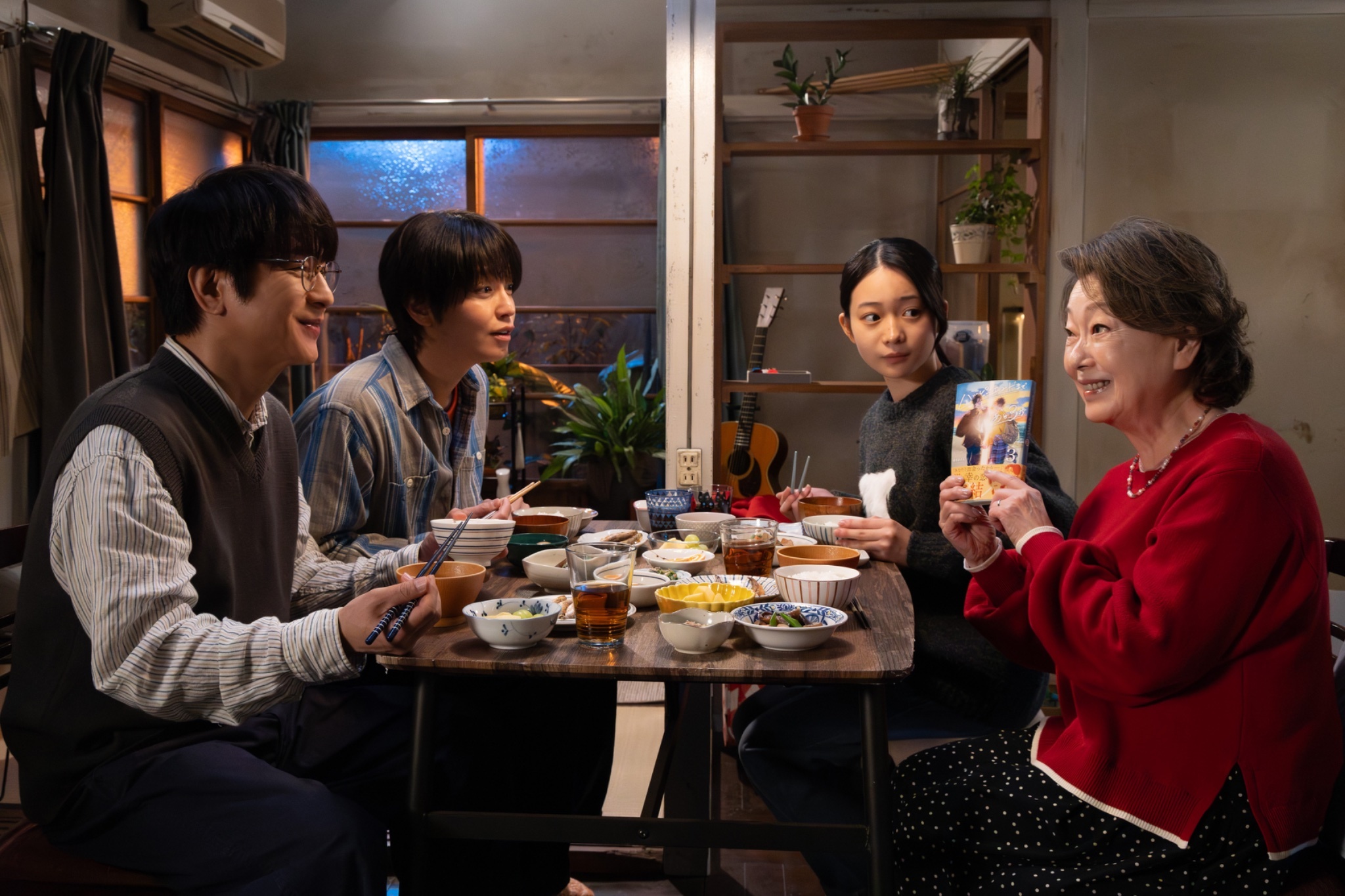
This is a story, as the quote above says, about a ‘family’ that serendipitously forms almost by fate. It looks like all the members are lonely but in reality, they are not. They are unique individualists who have carved out singular spaces in society for themselves. But there does come a time when companionship becomes a necessity; this is their journey to amity. While the story may seem simple, it is uncommonly intense. It covers so many planes of human connections that it almost becomes overwhelming in scope.
Genichi Hatano (Mitsuhiro Oikawa) is a worker at an animal haven and is a bit of an odd character but with an embracing personality. A rescuer in every sense of the word who takes in stray animals and adopts them simply out of kindness. Alone in life, but never lonely as he surrounds himself with his rescued pets that seem as laid-back as he. Hatano is gay, which makes life in Japan difficult. While not exactly hiding it away, he is not necessarily completely open about it. Hatano lives in an older rather lived-in apartment complex run by an iconoclastic woman named Kyoko Inokashira (Maki Saki). She is an astonishingly accepting individual who becomes a pivotal character throughout the story for virtually all the characters. By accident, Hatano, meets a guarded younger man than himself at a local park that he finds interesting. It becomes obvious that Saku Sakuta (Yuya Tegoshi) is gay as he is more open about it. Sakuta is a middle school teacher who by chance happens to be the teacher of Hatano’s neighbor, Hotaru Kusunoki (Tamaki Shiratori). Hotaru is living alone at 14-years-old because her mother embezzled money from the company she worked for and is on the run. Although the story centers around these three, it is so much more than merely the interactions between them. It is a story of how a ‘family’, a rather large one, evolves and how kinships form and heighten through trust and acceptance.
While you watch this masterpiece, you will be taken in by its delicacies to trauma that are presented simplistically and comically. Nothing seems deep, yet everything is cavernous. Because everything is presented in such understandable terms and milieus. Every scene and every episode flows flawlessly and seamlessly. This indeed is one of the best edited series I have ever seen. Agendas and subplots linked together impeccably, and we could follow the chain of events so well. Even though the story is admittedly whimsical and implausible, still in this context, it just made sense.
This series has an astonishing ensemble cast with each contributing to the storyline in some way with some greater than others but all meritorious. However, two of the youngest performers walk away with acting distinctions. One is Tamaki Shiratori who plays the role of Hotaru Kusunoki. She is a remarkable actress who displays all the pangs of living alone. As one of the three principal protagonists, she delivered a seamless performance, an impressive feat for someone only 15 years old. Trying to be strong but showing she is still vulnerable. Attempting to be an adult yet knowing you are a child. Still wanting and needing to belong somewhere. Her main dream is to be nurtured, have a family, and a feeling of belonging and if she has to, create a family to do so. And that is precisely what she does. Tamaki Shiratori’s performance is based on an inherent sense of a teenager’s uncertainty and anxiety for what the future holds. One does not have to act that out; one simply naturally feels that. There was such a naturalness to her performance. The second outstanding enactment was with a very minor character, towards the end of the series, who stole my heart. He is a student named Kishibe Kazuki who travels to see Hatano and Sakuta. By the time Kazuki meets them, they had been living together and have been registered in a partnership relationship. Hiiragi Hinata who plays this part did such a fantastic job, even for being a short role. His performance was quite moving for someone so young (he is 14). It felt organic and raw and displayed the pain and delight that an actual 14-year-old boy would feel if he were admitting for the first time out loud what his orientation is. The depth and impact of the intensity to his face with his imagery about feeling lonely, withdrawn and alone was a work of art. He sat there like an isolated caterpillar but after meeting Hatano and Sakuta, he emerges as an unbound butterfly – ready to spread his wings. He tells them that they gave him the courage and strength to face up to being gay, and he will learn to live another day, and another; to keep moving forward, being exactly who he is. I sobbed watching this scene as he represented so many, many young people especially in such a closed society. 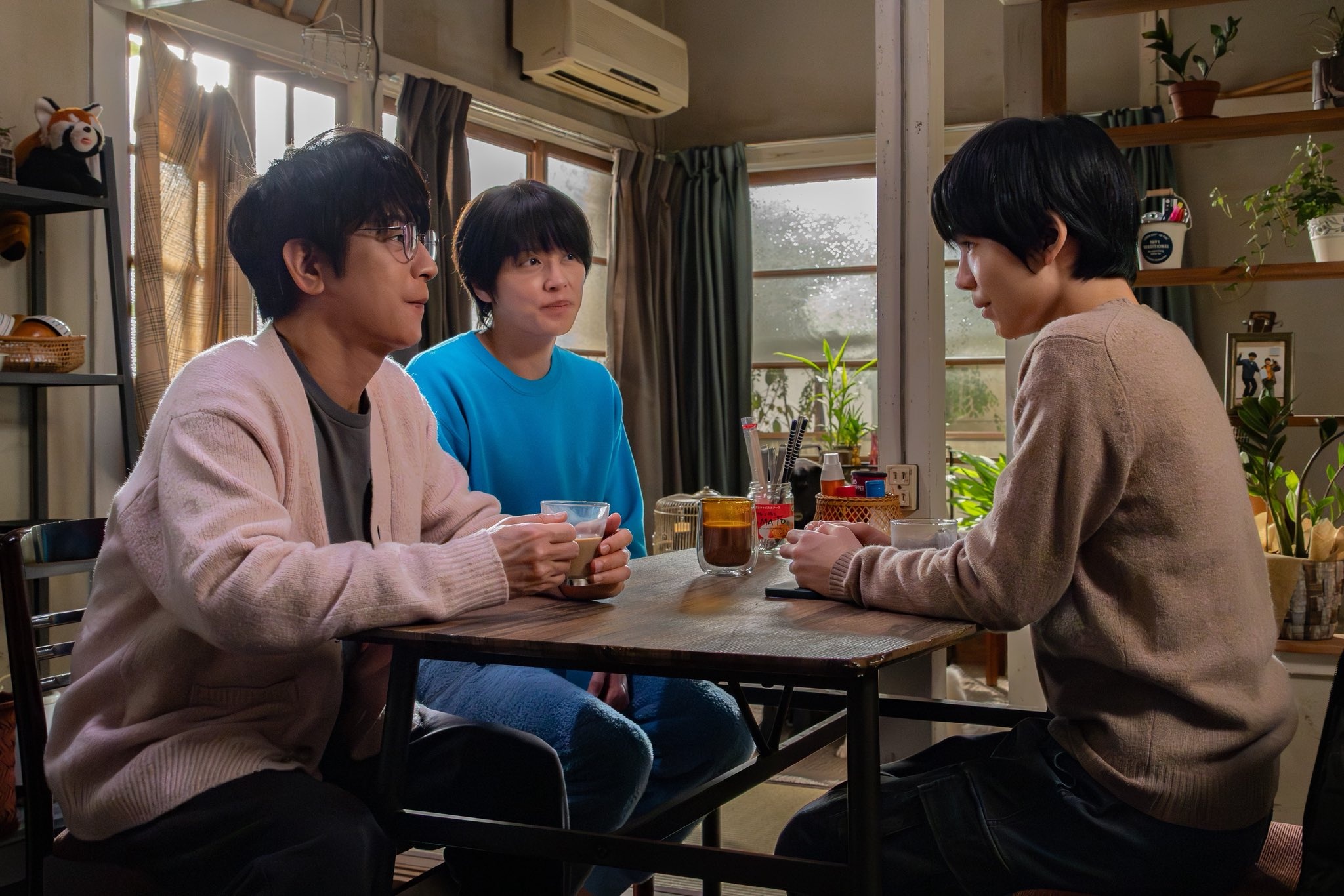
And this is what the overall beauty of this series is about. This story touches so many lives in countless ways. The gay nexus is almost overshadowed by other life issues in general. And perhaps that is a good thing. It tackles teen loneliness and isolation. It covers inequality in the workplace and the massive issues of women being underpaid or underutilized in Japan. We also see how a mother learned in a somewhat unorthodox but congruently animated current fashion to deal with her son’s gayness, which in turn helped her deal with her own pending mortality. It touches upon the way women are looked at or disrespected in general in repressed careers. It brushes past the issues of middle-aged men feeling isolated and devalued because they did not live up to artificial expectations. It covers feelings about being in jobs that are not quite fulfilling but have become comfortable. We see hidden talents in people long dormant come back to life. We also see the importance of asking for forgiveness, especially when we have wronged others in the past that we have loved. Several characters faced personal vulnerabilities and weaknesses and were forced to confront those head-on and deal with them, sometimes in painfully consequential ways. And perhaps most of all, we see just the tiniest cracks in the acceptance of gay people in their long road to, one, being fully accepted and two, someday having the right to marry in an entrenched and seriously restrained society – that just might be forced to change ever so slowly. And all of this was done with acceptance, humor, and empathy.
This story is sweetly told with gentility and wit but unquestionably its theme centered around a society’s need to change with the driving force for that change that may be quite subtle but reflective of a shifting landscape.
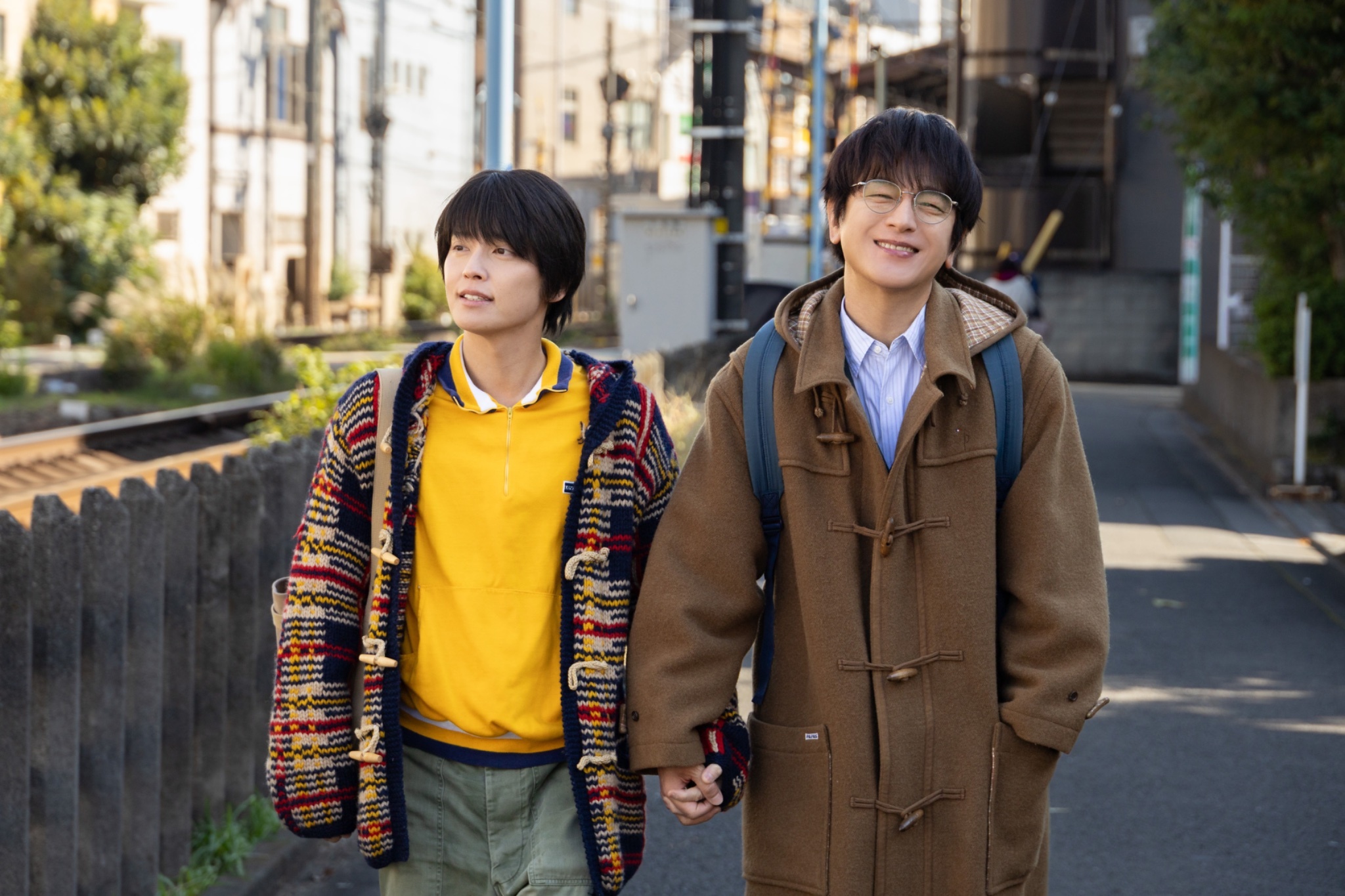
This is one of the best gay stories I’ve seen, blending gentle storytelling with thoughtful commentary on outdated social norms. The narrative was presented in soft, off-beat tones not meant to offend anyone. It powerfully suggests that gay people and other marginalized silent classes deserve full inclusion in the culture, and perhaps it is time for them to be seen as part, and whole, of the society to which they belong.
Rating: 5 out of 5
Streaming on- Netflix
 The BL Xpress