
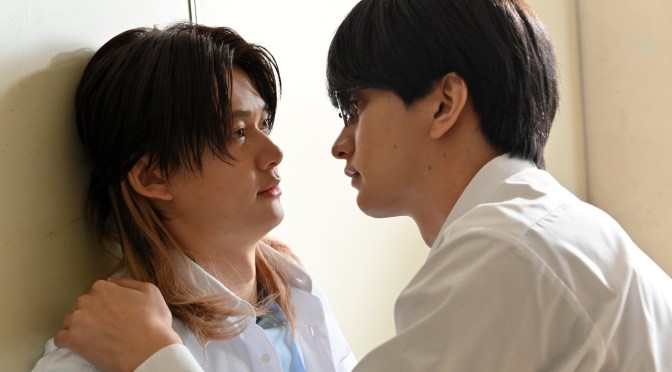
I really love when a series allows its characters to grow. I love it even more when a villain with no redemptive qualities isn’t redeemed.
And The Servant Prince manages to give me both.
Adapted from Tatsumoto Mio’s manga The Servant Prince, the Japanese BL stars Ogawa Fuminori as Goto Naoya and Seto Toshiki as Sato Takaaki, two men whose unusual relationship began long before either of them fully understood what they meant to each other.
In high school, Naoya seemed to have everything. He was wealthy, intelligent, popular, and accustomed to ordering around Takaaki, the quiet outcast who did whatever Naoya asked of him. Ten years later, their circumstances have completely reversed. Naoya has lost his career and the privileged life he once knew, while Takaaki is now the successful CEO of a growing IT company. The one thing that hasn’t changed is Takaaki’s devotion to Naoya.
From the beginning, however, their relationship was never as simple as master and servant. What initially appeared to be an unequal power dynamic slowly revealed two people fulfilling very different needs for each other. Naoya found security in the one person who never seemed willing to leave him, while Takaaki found purpose in being needed by Naoya. Their relationship existed somewhere between dependence, devotion, obsession, and love.
In the end, the feelings I first had about The Servant Prince haven’t changed. If anything, they’ve become stronger.
Naoya and Takaaki go from having what could have become a very toxic relationship, especially considering how remarkably similar Takaaki’s personality can be to Naoya’s father, to somehow having a healthier relationship than many of the couples I’m currently watching.
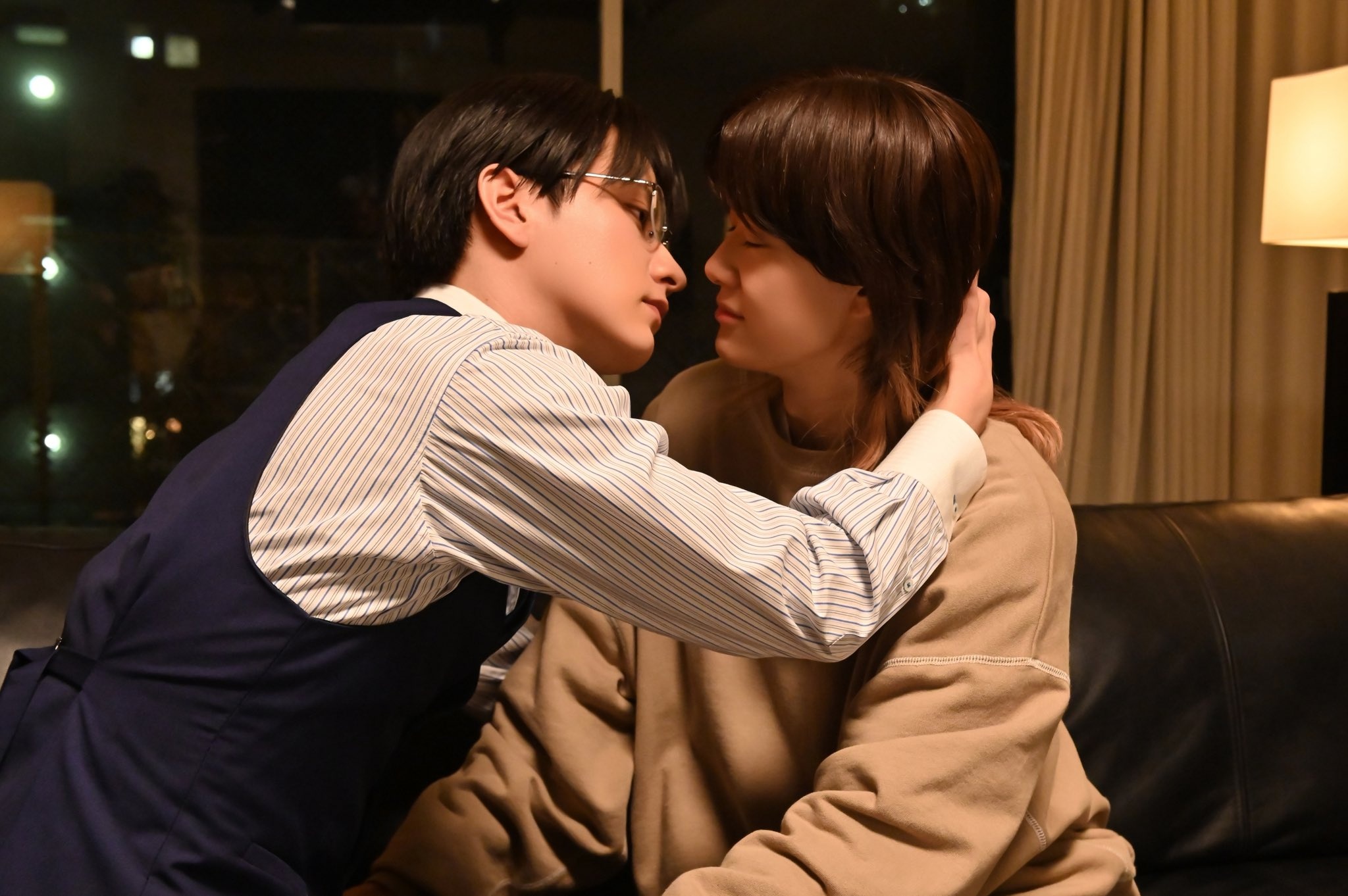
And a lot of that comes down to growth.
One of the things I love most about this series is discovering how much stronger Naoya is than we first realize. He finds himself in a terrible place and allows himself to wallow in it for a while, but he doesn’t keep himself there, even when Takaaki pretty much gives him permission to remain exactly where he is.
Instead, Naoya picks himself back up.
A lot of that comes from not wanting to become a burden on Takaaki. But in doing so, he also proves there’s much more to him than the spoiled prince we were originally introduced to. He’s highly intelligent, affectionate, sympathetic, and understanding. He’s capable of recognizing the value in the people around him and helping them recognize that value in themselves.
But he also knows when he needs to walk away. And that may be one of the most important differences between the relationship Naoya has with Takaaki and the one he has with his father.
Which brings me to Takaaki.
He’s strong, too, but he’s much more reliant on Naoya needing him than Naoya initially realizes. So much so that Takaaki’s obsession with Naoya begins to mirror Naoya’s father’s own obsession. And that’s where their relationship could have become something entirely different.
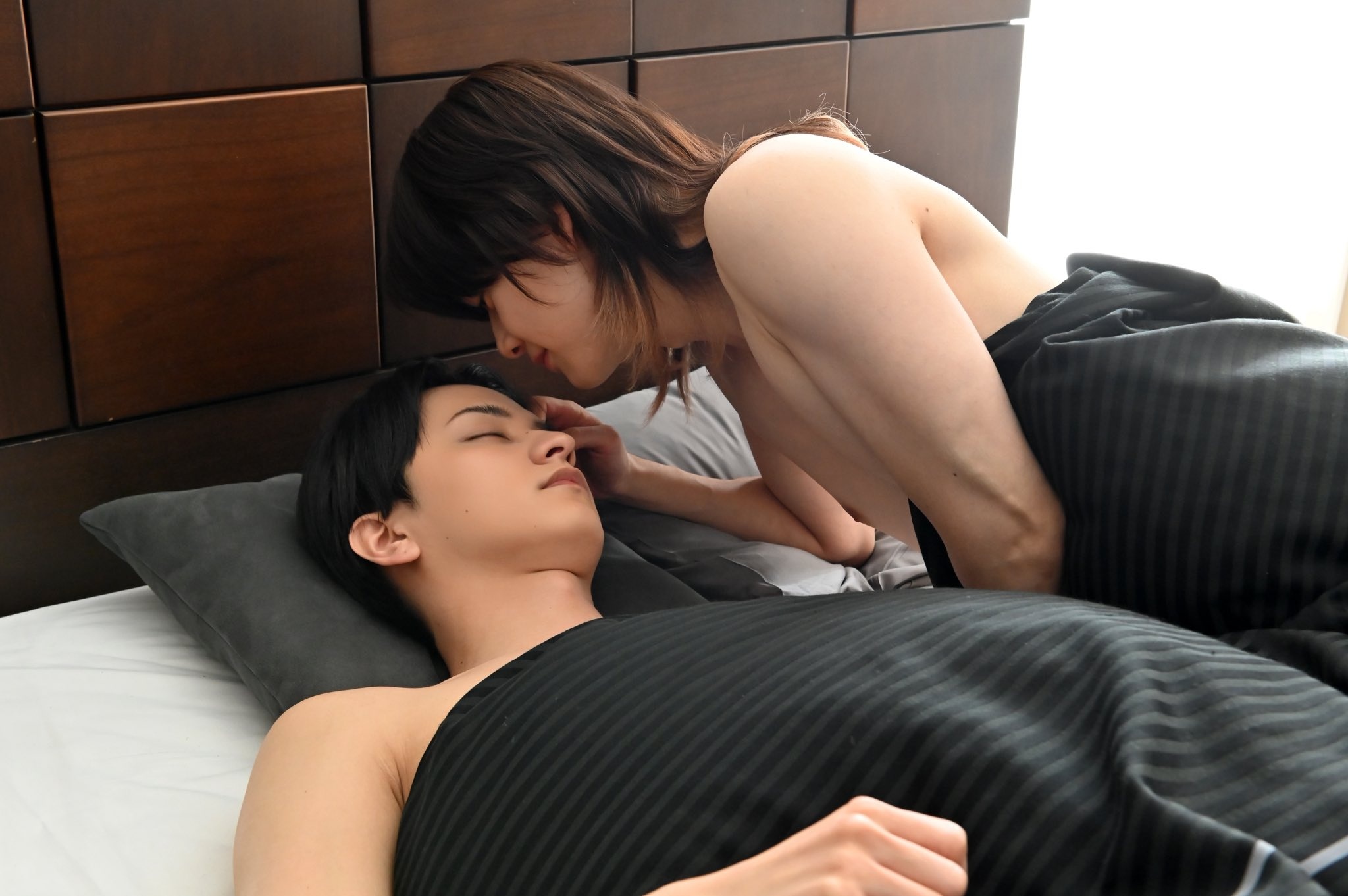
The difference is that Takaaki doesn’t ultimately allow his obsession to hold Naoya back. He wants to be needed. He wants to take care of Naoya. There’s a part of him that would probably be perfectly content if Naoya depended on him forever. But when Naoya begins finding his own footing, Takaaki lets him.
That doesn’t mean all of Takaaki’s more toxic traits magically disappear. They’re still there, and those traits could certainly affect their relationship later. But he allows himself to grow as a character, and I’d like to think he continues doing so after the story ends. That’s why the darker parts of their relationship worked for me.
The series doesn’t need to completely change who Takaaki is to make their relationship healthier. Instead, he has to learn that loving Naoya and being devoted to him doesn’t mean keeping Naoya dependent on him. And Naoya has to learn that being loved and cared for doesn’t mean giving up his independence. They can need each other without making that need the only reason they stay.
And then we get to my absolute favorite part of this drama outside of the chemistry between Ogawa Fuminori and Seto Toshiki:
Naoya’s father’s downfall.
I’m not one to wish ill on anyone, even fictional characters, but it often irks me when a series forgives abuse without ever requiring the person responsible to face any real consequences.
The Servant Prince doesn’t do that.
Together, Naoya and Takaaki not only bring Naoya’s father down, they help the people around him recognize their own value and realize they don’t have to continue living beneath his control.
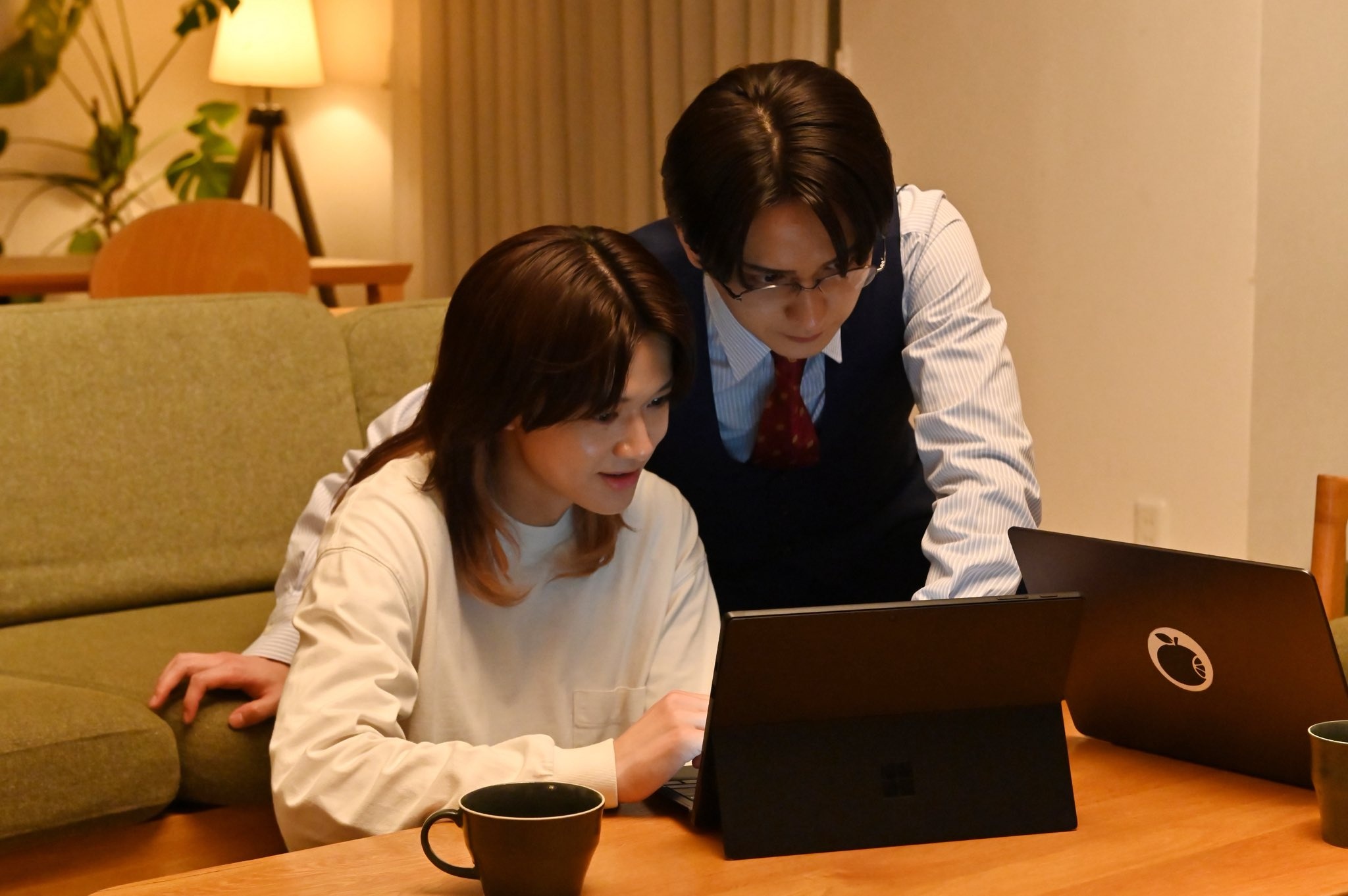
And they don’t redeem him afterward.
There’s no sudden apology that somehow makes years of abuse disappear. There’s no emotional revelation designed to make us forget everything he’s done. And there isn’t a reconciliation simply because he’s Naoya’s father. Instead, he’s left in a position where he has to rebuild everything alone. And sometimes being left alone with yourself and the consequences of your own actions is a much more fitting ending than redemption.
There’s also something satisfying about how completely that outcome contrasts with Naoya’s. Both men lose the lives they once knew. But Naoya takes that loss and grows from it. He begins rebuilding himself, recognizes the people who genuinely care about him, and learns how to stand on his own while still allowing himself to love and be loved.
His father loses everything and is left with the person responsible for putting him there: himself.
For a series built around such an unusual relationship dynamic, The Servant Prince ended up having a surprising amount to say about what it actually means to need someone.
Naoya and Takaaki still aren’t what I’d call a conventional couple. There’s dependence between them. There’s obsession. There’s a darkness to Takaaki’s devotion that never completely disappears.
And I’m glad it doesn’t.
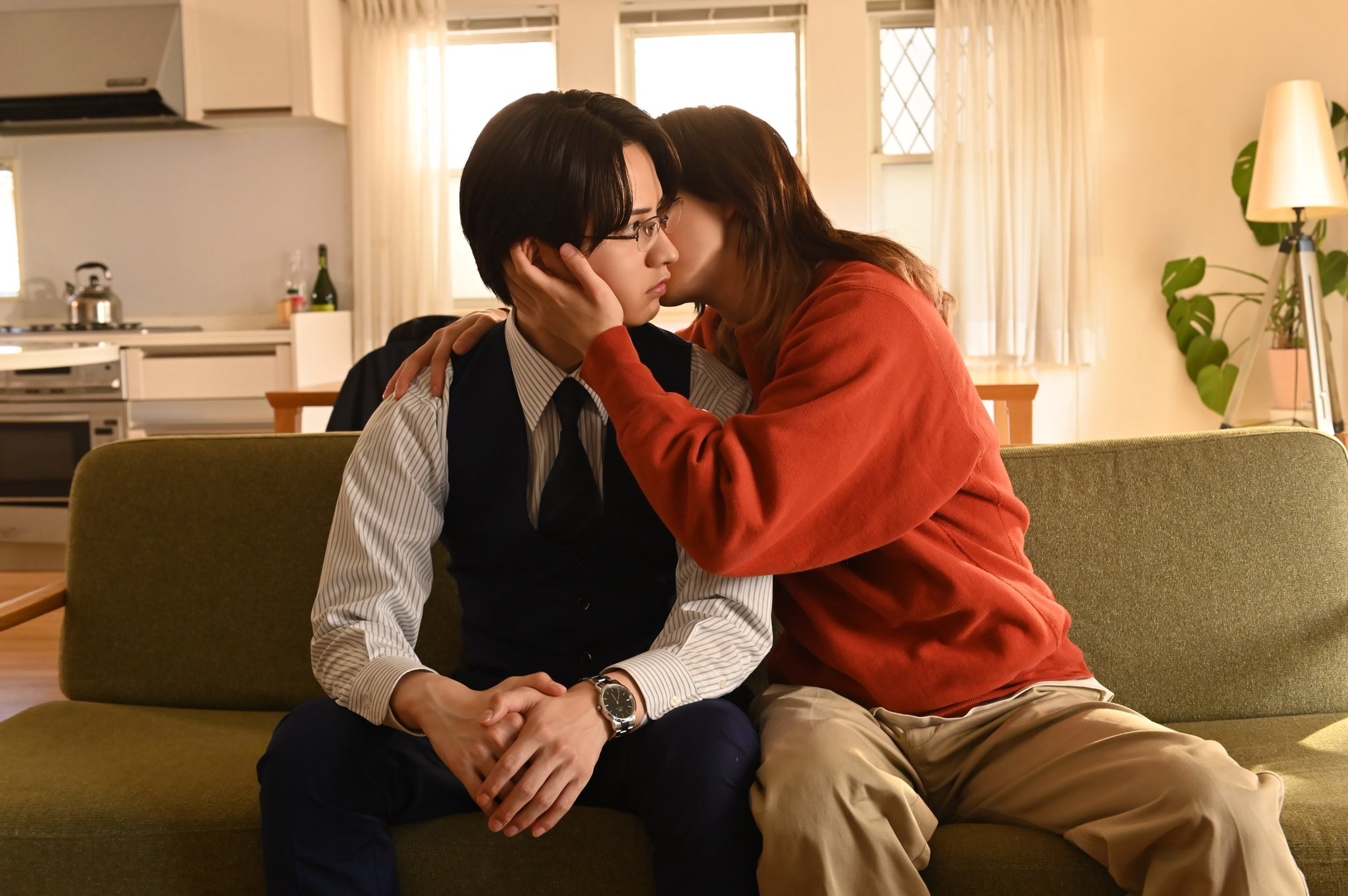
Taking those things away would mean taking away part of what makes these characters who they are. What matters is that neither character remains trapped in the place where we first found him.
They grow.
Naoya learns he can stand on his own without having to stand alone. Takaaki learns that being needed by someone isn’t the same thing as being loved by them. And somehow, the servant and his prince end up meeting each other somewhere in the middle.
All in all, The Servant Prince took a relationship that could have easily become toxic and instead gave me two flawed people learning how to love each other without losing themselves in the process.
The chemistry between Ogawa Fuminori and Seto Toshiki only makes it better. They sell the obsession, dependence, affection, humor, and strangely sweet intimacy between these two without making their relationship feel like something it isn’t.
I went into The Servant Prince fascinated by the darker dynamic between Naoya and Takaaki. I came out of it loving how much they grew beyond it. And yes, watching Naoya’s father finally face the consequences of everything he’d done certainly didn’t hurt.
For a series about devotion, dependence, finding your own strength, and learning that loving someone doesn’t have to mean controlling them, check out The Servant Prince, now streaming on GagaOOLala.
Rating- 4 out of 5

