
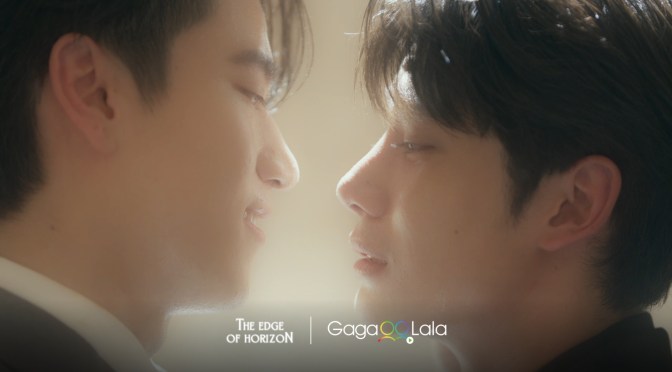
From young love to painful separation to learning how to love during a tumultuous time when choosing each other means going against nearly everyone else, The Edge of Horizon proves that some things are worth fighting for even when the two people trying to hold onto them are constantly being told they can never happen.
There’s something incredibly powerful about a love that continues to choose itself when everything and everyone else stands against it.
Starring Ongsa Tthuchh Khummuang as Prince Tinnakon Varakulvathin, better known as Tinn, and Inn Jakkrasin Atsavatanachai as Phob, The Edge of Horizon begins with two boys whose childhood friendship grows into first love within the palace walls. When they reunite years later, they’re no longer simply two boys in love. Tinn is a prince bound by his family, status, and royal expectations, while Phob has grown into a man determined to help build a different future. With their country itself undergoing change, the two find themselves fighting for a life together in a society still deeply divided by class, tradition, and expectations.
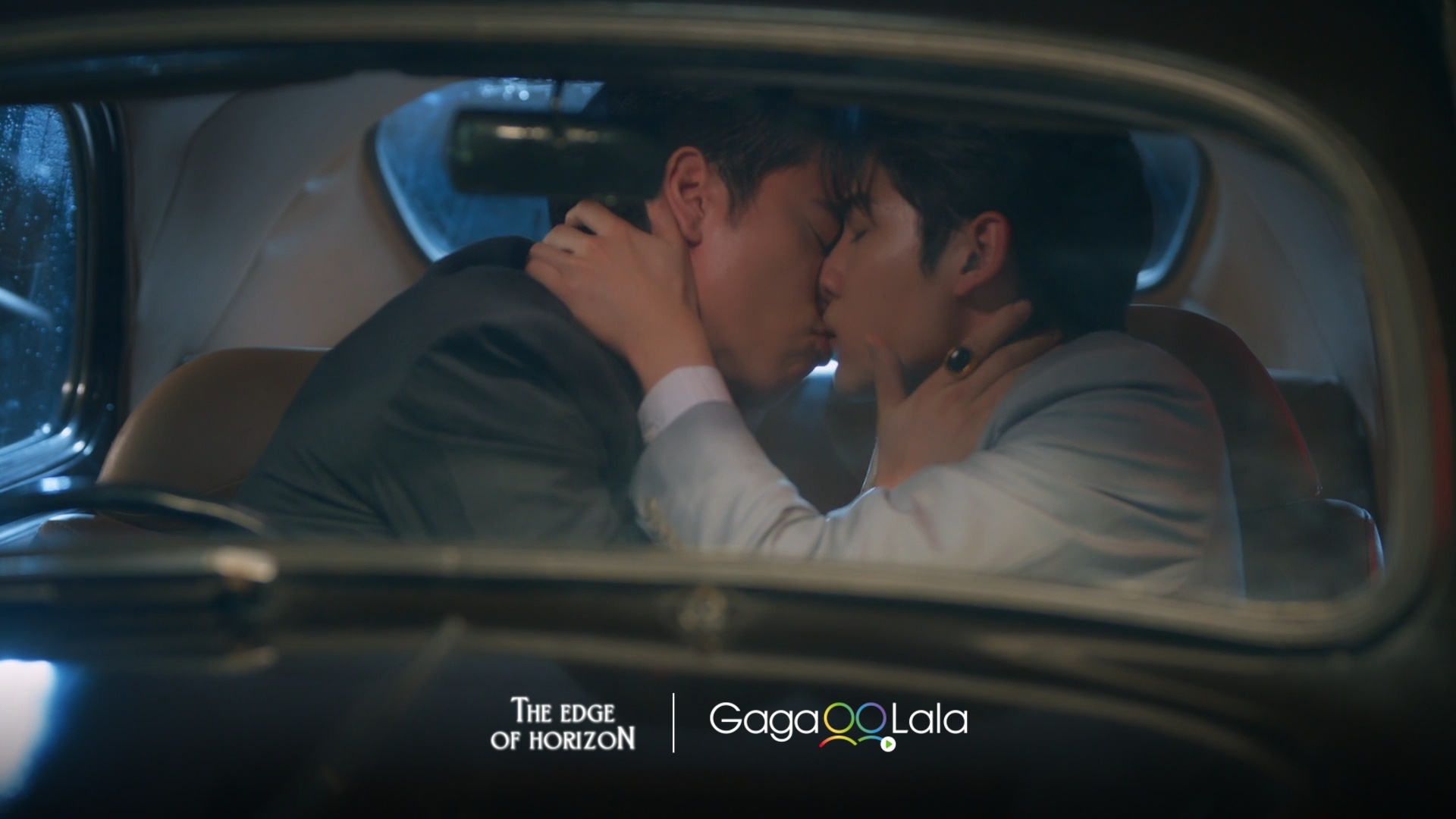
From its opening episodes, The Edge of Horizon took me through every emotion imaginable. There was desperation, longing, anger, and an overwhelming desire for freedom running beneath the story. But what started as a romance about two young men trying to find their way back to each other ultimately became something much bigger.
One of the things I love most about The Edge of Horizon is that despite their differences in status and wealth, Phob and Tinn never once look at each other as anything more than two people who can’t imagine life without the other.
It’s the world around them that keeps insisting they don’t belong together.
And it’s this world, the one Phob keeps trying to change and Tinn fights to understand, that becomes the obstacle constantly pulling them apart. Not because they’re too different to be together. Not even simply because they’re two men living in a world that can’t accept their love yet. It’s because the closer they walk toward each other, the more people grab at their ankles and weigh them down.
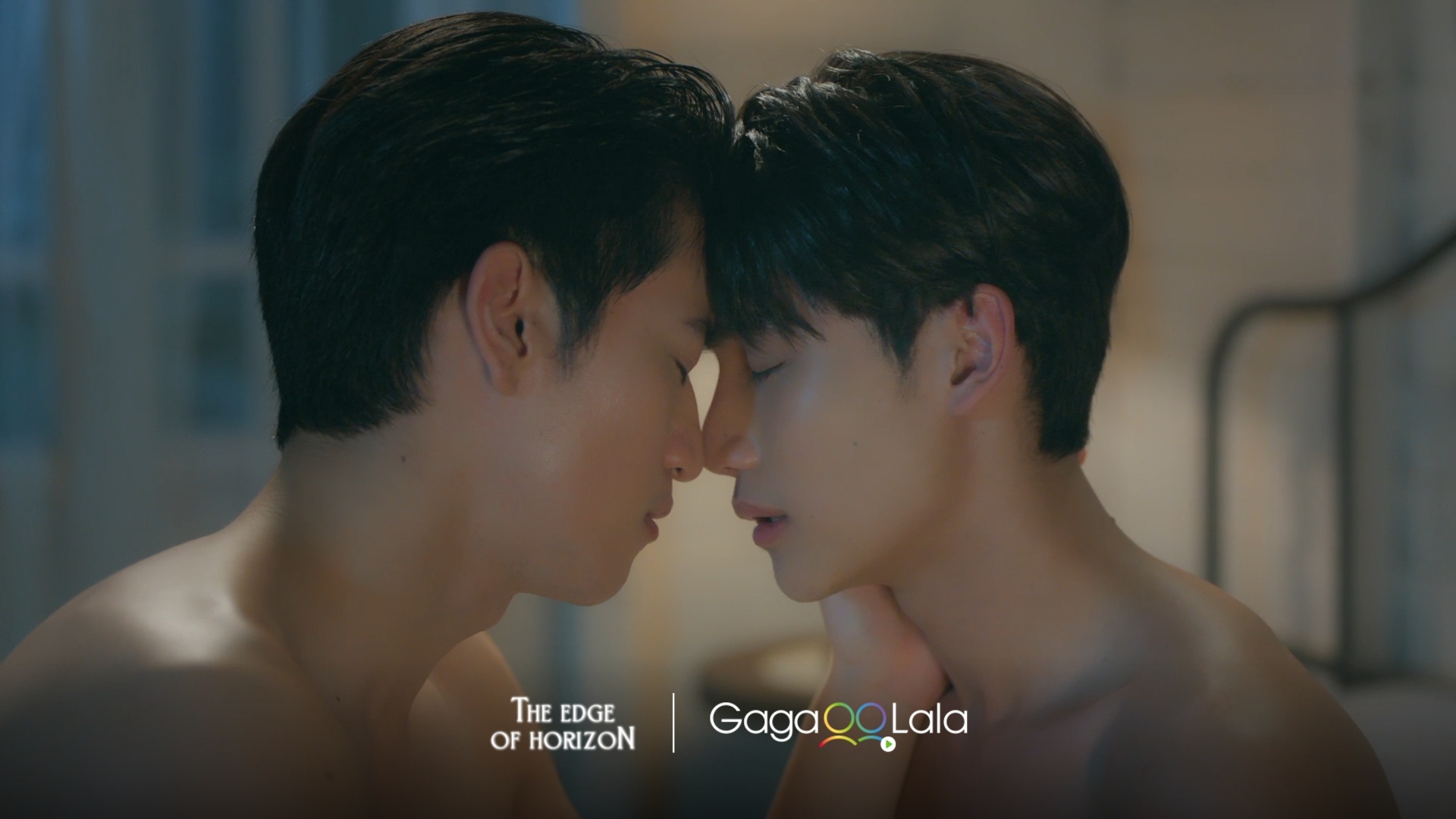
Each step becomes heavier, and yet they keep moving forward. With every weighted moment, they manage to inch closer, becoming stronger until they’re finally strong enough to begin pulling themselves free from the confines holding them down.
That’s not unrealistic. It’s where endurance and change originate. Sometimes it takes breaking the chains that bind us to begin freeing ourselves from them. That’s especially true of Tinn. He’s torn between the life he’s always known, the family and country he’s been raised to honor, and the man he falls in love with. It’s been drilled into him that what happens to his family and the system he’s been taught to revere is all dependent on him and his choices in a time when he believed in those choices even as he questions some of the actions and thoughts behind them.
While Phob and Tinn both ultimately fight for love, their difference in station and hierarchy in society does color how each of them approaches that fight and what we see on screen. Phob has little in his life to lose except Tinn, which is why he’s devastated each time he loses him. Tinn has everything to lose, including Phob, which is why he struggles to realize both his losses and his love.
What’s most depressing about The Edge of Horizon isn’t that Phob and Tinn have to fight so hard for their happily ever after. It’s the reality that change itself can become weighed down by the pressure to conform and the willingness of people to bow to evil in order to succeed. No matter how hard people fight for equality, there will always be those who enter the fight for change only to become hungry for power themselves. That’s clearly shown when Phob’s commander begins schmoozing elites and messing with the media. It goes to show that despite either Tinn’s or Phob’s individual beliefs, the true power they hold is in reaching for each other despite what’s happening around them.
Change can happen, even when progress looks like one step forward followed by an enormous leap backward.
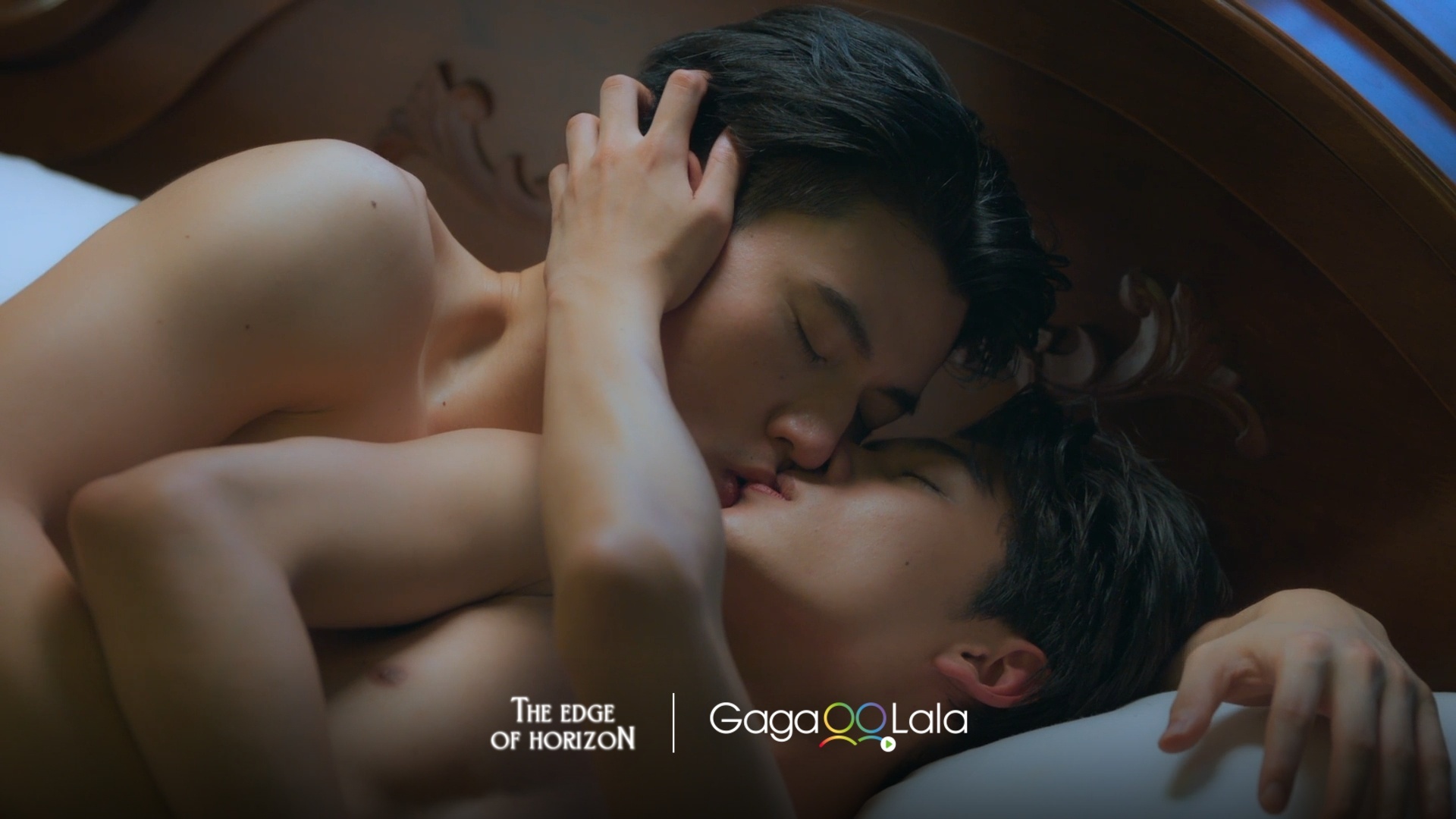
We just have to keep believing in it.
Amidst all that hope, confusion, and determination stand two men who love each other so deeply that they continually find ways to hang on and reach for the future they hope comes to fruition.
Phob promises Tinn that he’ll always be there for him, and he is. Tinn may have to lose nearly everything before he can fully understand what Phob has helped change, but he never truly lets go of Phob or his belief in Phob’s dreams. He may not fully understand Phob’s ideologies at first, but he wants Phob to succeed anyway, even when he’s initially hurt by it. Even as it slowly changes how he views his country and his own family. A family he loves despite what they put him through.
Their love isn’t what needs to change. The world around them does. And it’s this world that’s frustrating.
The very end of The Edge of Horizon may have been a tad bit unbelievable and too coincidental. I mean … both of them in the same place, wearing matching white suits, with Phob appearing at practically the exact moment Tinn wishes he could see him? Right after everyone has been grieving Phob’s loss.
Come on.
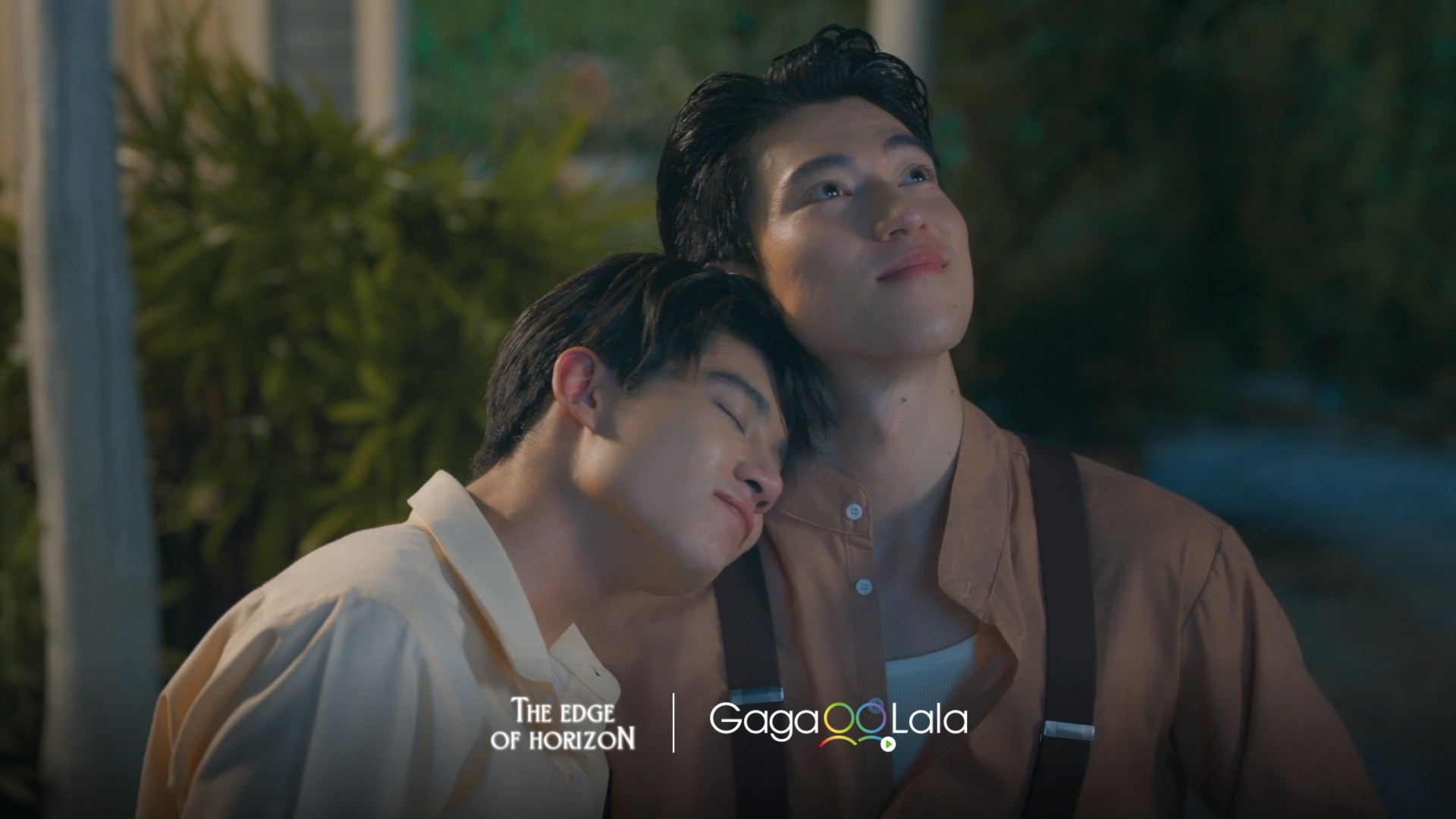
But despite that, I actually love that the series rewards hope and endurance with a hopeful ending. During the times we live in now, I think it’s important to show that standing up for what we believe in and fighting for love can be rewarding and not tragic. And damn it, I admit I needed that happy ending. Especially after everything they went through. There simply needed to be a “bridge” to make it work better inside the final episode rather than the jarring way it was introduced. I know it was meant to be a “he’s alive!” surprise (and I swear I cried instant happy tears), but after the power of the loss scenes, a transition of Phob fighting for his life to keep his promise to Tinn would have added even more depth without losing the power of everyone’s grief. The final episode itself simply needed more, maybe even an extra episode, but it didn’t take away from my overall feelings about the show.
I also appreciate that the people who deliberately hurt Phob and Tinn aren’t suddenly redeemed simply because we’ve reached the finale. Because what would have been truly unbelievable is Vasin and Phob suddenly seeing eye to eye. And that’s also where my only real “wait a minute” moment with the series comes in.
As the daughter of an abusive father, it was difficult for me to watch Tinn sitting obediently across from his father and even harder to watch Phob kneel at Vasin’s feet. There’s also a part of me, however, that understands what the series may have been trying to convey.
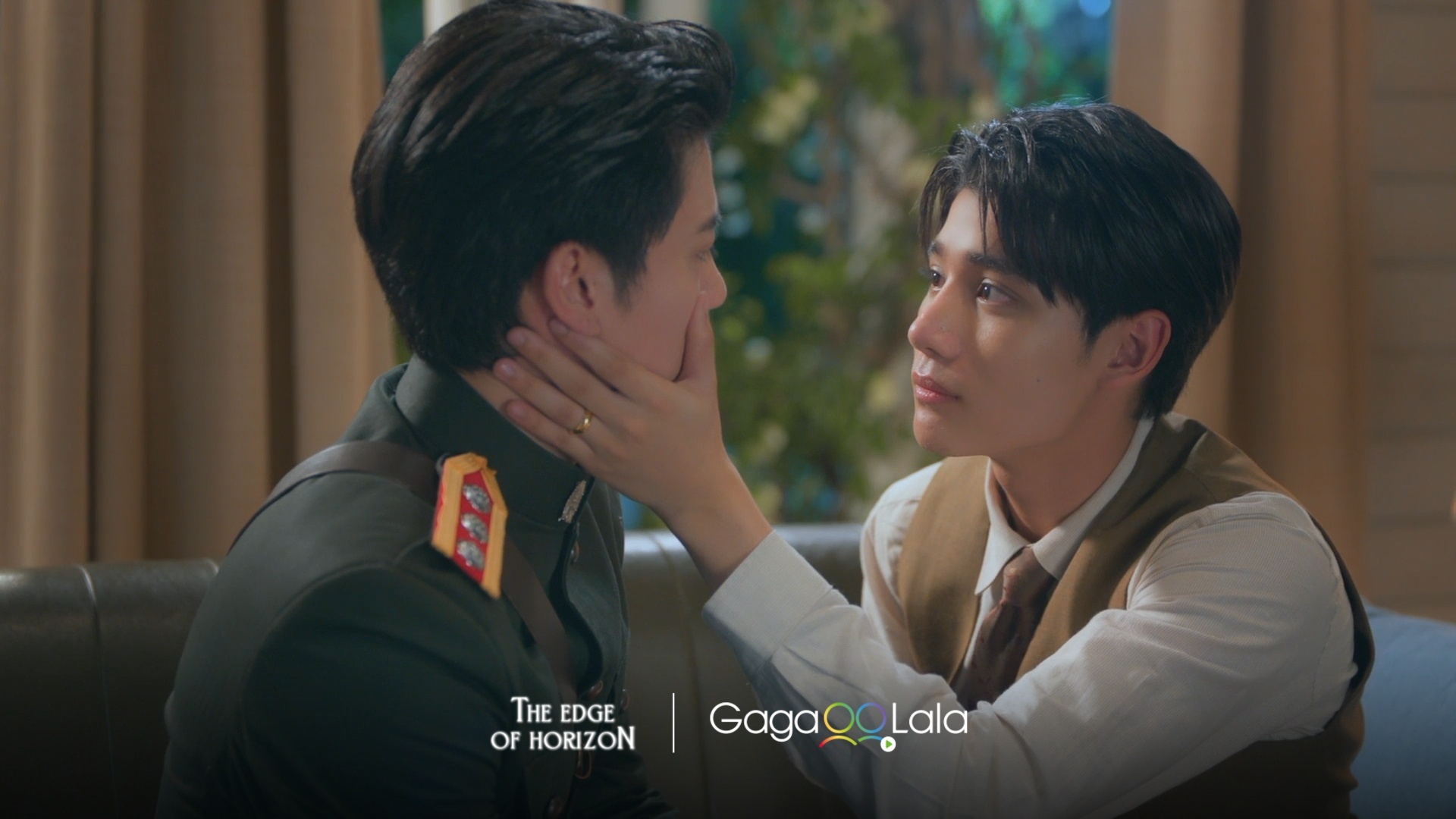
Whenever I watch a drama outside my own culture and different from the politics I’ve known that’s being translated from a language I don’t speak, I try to remember that there will be cultural differences and nuances I may not completely understand. That’s especially important with a series set within a historical period so different from my own.
There’s a lot at play in The Edge of Horizon. The social hierarchy is slowly (emphasis on slowly) changing at this point, and these characters are living during a period of upheaval when people raised under an absolute monarchy are being asked to adjust to a new reality. It’s a divided country, where some people are cheering for change and some wish it would revert. A time when people haven’t fully realized the scope of how life for them could change if change happens. And that’s scary. They’re also living in a time when the choices Phob and Tinn make aren’t viewed by many around them as choices they ever had the right to make.
They fight for a love that society judges them for, and they carry the guilt of that judgment. They also carry the guilt, especially Phob, of helping collapse a system the people he grew up with believed in. He wanted to change the system to give himself, Tinn, and others the right to be themselves no matter their station in life and to love how their hearts desire, but he also spends time questioning and second guessing his choices each time the people he loves are hurt. It can be hard to lose sight of what you’re fighting for when the changes you hoped to make aren’t immediately beneficial and obvious, only painful instead.
That’s why we repeatedly hear apologies from Phob and statements from Tinn like, “I’m the one who ruined the family,” even when hearing them frustrates today’s me. It’s partly why Tinn and Phob themselves still show respect for the old system while fighting for and accepting the new.
Back to the kneeling at Vasin’s feet.
For Phob, I believe kneeling is ultimately something he does for Tinn. And a little for himself. Even though Phob fought for change and kept fighting for it, he was also raised in the same palace that he helped take from the family of the man he loves. A palace where he (and his mother) both reaped benefits and suffered. A palace that handed him the world and ripped it away. A royal family that became as much his family as Tinn’s even as he struggled to understand his place in it. One moment the royals are doting on him and elevating him over their son, Chat, with compliments (not status), the next he’s being admonished for using the knowledge and education they “allowed” him to have. The apology felt very nuanced, as nuanced as his time at the palace. As if he’s trying to work out his own past losses and beliefs while standing behind his current beliefs. He apologized for and acknowledged the family’s loss because of his choices but didn’t apologize for or buckle under the pressure when it comes to his own beliefs and what he fought for.
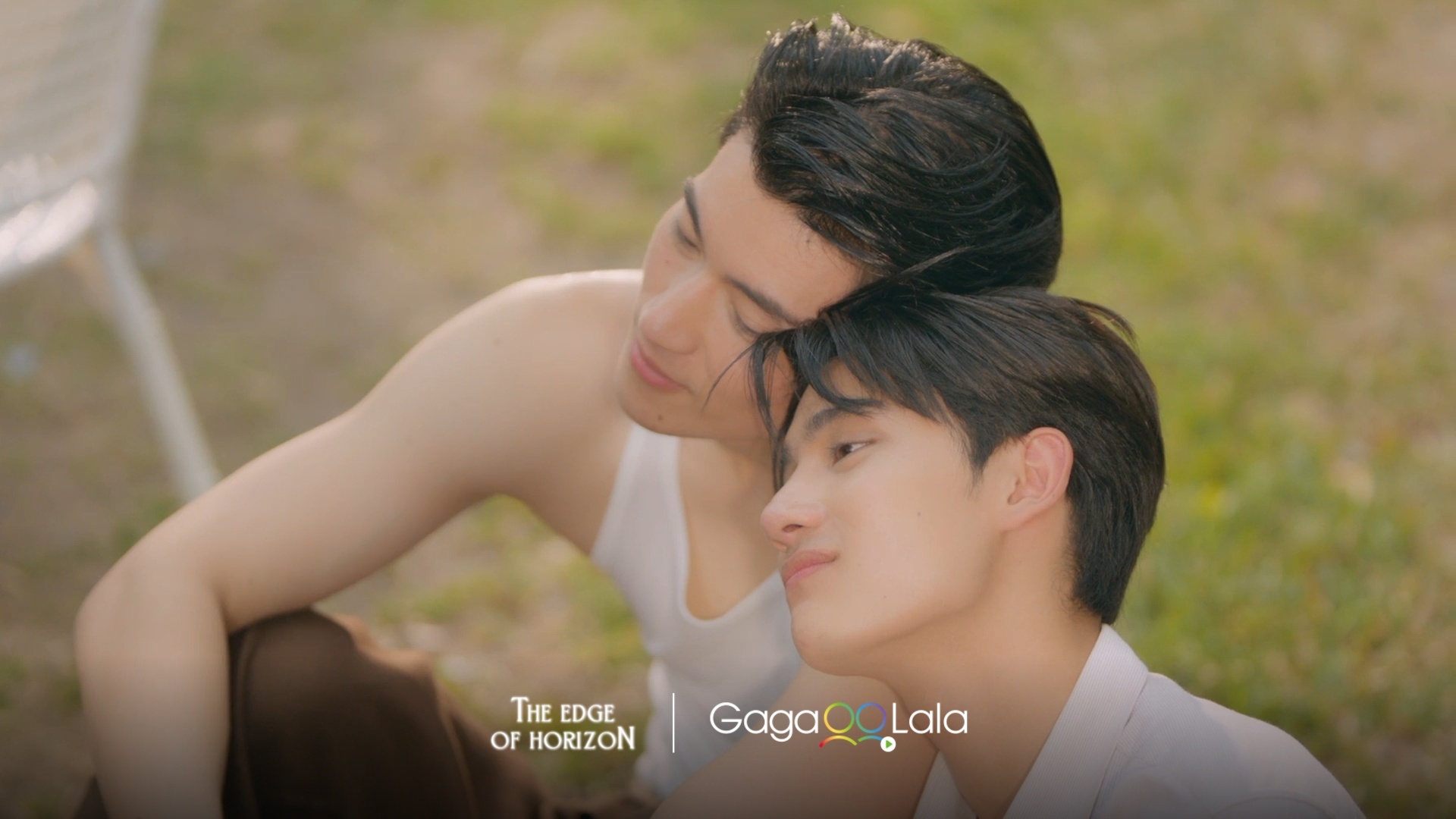
Vasin is also Tinn’s father, and in a patriarchal society that honors and respects their elders, it is an internal struggle to rebel against that. For both of them. For Tinn, who has been raised to understand and carry out his duty, it’s a struggle that pulls him in two directions. Even if Tinn later understands and defends Phob’s choices, he also carries the guilt of falling in love with a man who doesn’t share his family’s ideology and of choosing that man anyway. All while beginning to see the importance of change himself. And amidst all that, he lost his grandmother. It felt like Phob was acknowledging Tinn’s losses as well.
But I may also be looking at it too deeply from a modern Western point of view, and it could simply be because centuries of cultural ideas about the king, nobility, rank, and personal obligation didn’t disappear because the system suddenly changed. Phob can oppose Vasin and still use that moment to take responsibility for his own actions in the revolution and what that role did to Tinn and Tinn’s family. I think it may be less about apologizing to someone who abused him and more about not denying what he received from Vasin’s family and the part he played in taking their home and lifestyle. Before the revolution, Phob had to kneel before Vasin because he was a servant. After the revolution, Phob kneeling is his own choice. He kneels voluntarily rather than being commanded to show respect to the father of the man he loves without absolving Vasin of the wrongs he did. It’s a complicated choice. Every instinct in me wants to tell Phob, “You don’t owe anything to someone who hurt you.” But I truly feel there’s something deeper and double-sided to that scene.
It also seemed obvious by Tinn’s reaction that he didn’t expect Phob to kneel. From beginning to end, everything Phob has done has been about Tinn, even in his fight for change. Even in his promise to Vasin that he would take care of the prince. As much as I love that Phob has chosen to fight for the people, the question remains whether he would have fought to change the system if the royals had allowed and accepted his and Tinn’s love to begin with.
It also goes to show how different Phob is from Vasin. Vasin tried to make Tinn choose between his country and family and love, shamed him for loving Phob, and even threatened to kill Phob despite knowing how much it would hurt his son. To him, honor and status is everything. Phob signifies everything wrong with his world, similar to how some current leaders in the world today blame everything on everyone except themselves and the people closest to them.
While Vasin was fighting for an ideology that would keep him in power and wealth, Phob was fighting for Tinn. I’m not saying that Phob didn’t believe in his fight for the people. We saw his desire to change the system for servants like himself when he was young, but the catalyst of that was still Tinn. Phob wanted to change things so he could reach Tinn. He fought to bring the sky to the earth and the earth to the sky.
And that’s seen in Phob’s approach compared to Vasin’s.
Phob never asked Tinn to choose. He has always shown Tinn that their love is worth fighting for, no matter how badly that fight hurts him. He’s willing to do things for Tinn that prove he will always be Tinn’s Phob no matter what it costs him. He’ll stand up against injustice, especially if it affects him getting to Tinn, but he’ll kneel and swear fealty before the man he loves. There’s not enough time to break down whether that’s an entirely healthy trait or ambition, but I can respect that it’s loving someone that much that gives Phob the drive to pursue the change he knows needs to happen. It has to start somewhere. And let’s be real, Phob is only a small part of the change happening because it would have happened with or without him. He feels like a big part of it to us because we’re inside his story and his choices. But the rebellion was full of people making that same choice for entirely different reasons.
There is one small similarity Vasin and Phob share. They both used Tinn in their separate fights. The difference is that Phob is not only aware of that, he seeks Tinn’s forgiveness. And he never blames anyone for the choices he’s made.
By helping reduce Vasin and Chat’s sentence from death to life in prison, Phob also keeps his promise to Tinn’s grandmother and to Tinn by keeping them alive. Like Tinn says when he believed Phob was gone, “Phob doesn’t break his promises.”
So, in a way, maybe kneeling was also as much for Tinn’s grandmother and what Phob felt he owed her as it was for anything.
So this is how I choose to look at that moment when Phob kneeled: Phob and Tinn offer Vasin their respect for the losses he endured and the life he helped give them while still walking away having chosen each other and the change Phob fought for over the family expectations and abuses that nearly destroyed them. They took that moment to let go of it all, including the old regime, while acknowledging and offering a nod at the past that brought them together (and the grandmother who believed in them), no matter how painful some of those moments were.
Phob kneels. Tinn kisses Phob’s hand in front of his family. Which, in and of itself, is as much a show of defiance as a show of acceptance. And then they leave together while leaving their past inside that room. Meanwhile, Vasin and Chat are the ones left behind to spend a lifetime in prison reflecting on it all.
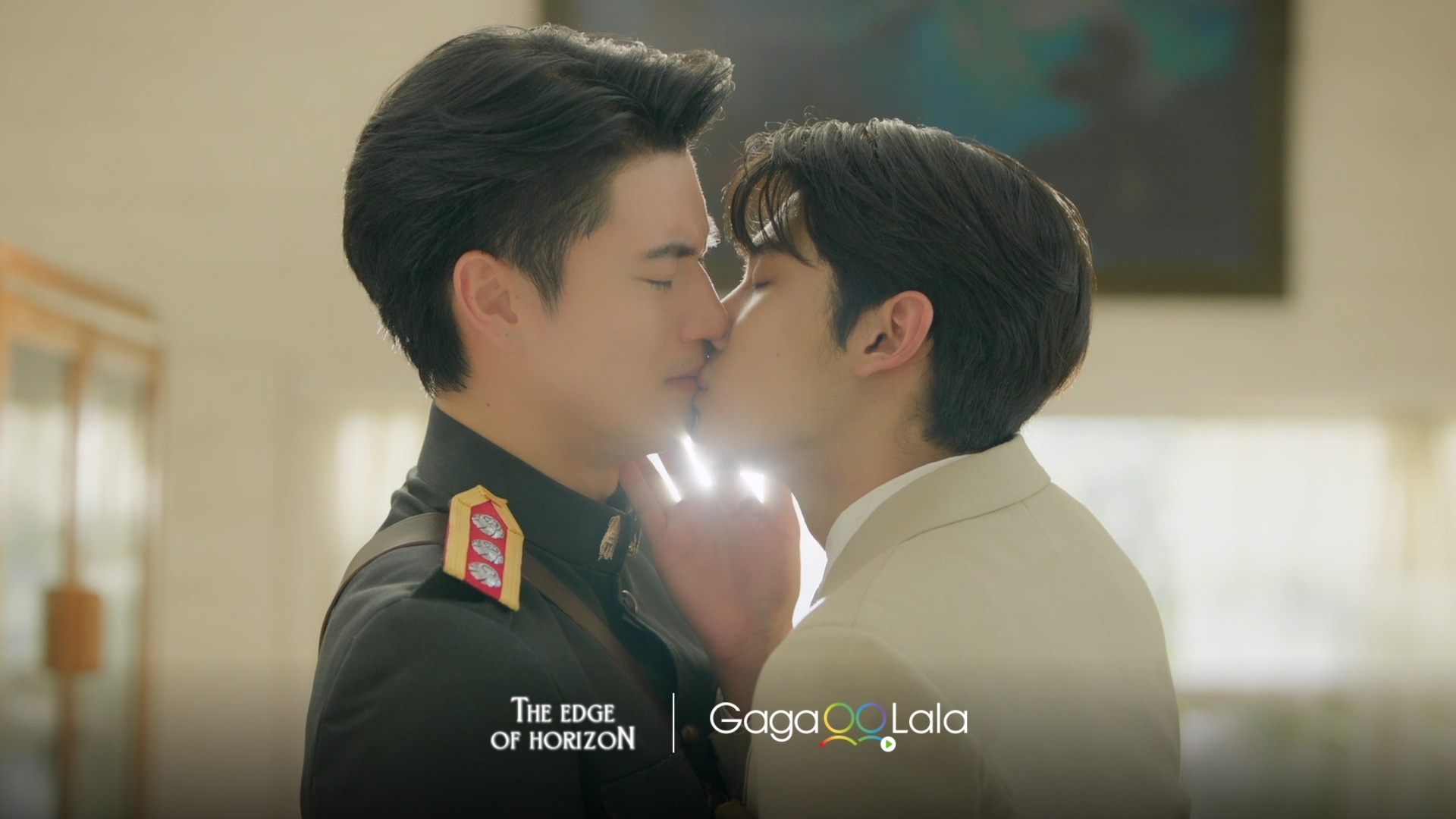
During that time, in that era, choosing each other anyway despite everything took a kind of strength I probably can’t fully understand. And I applaud them for that.
After all, “Change can never be achieved in a single generation.”
And then there are three more of my absolute favorite parts of this series: Princess Ruethaisiri Ratchaniwet “Siri” (Prim Prinda Techaiya), Janthorn “Jan” (Plengkwan Nattaya Thongsaen), and Patthamapriya (Eed Duangjai Hathaikarn).
All three women are wonderful examples of strong, progressive female characters, but they’re also a huge part of the heart behind The Edge of Horizon.
They’re staunch allies whose strength perseveres through everything happening around them. Siri and Jan’s interactions even hint at the possibility of something deeper between them while their individual stories promote female independence in a society where women are also being told what their lives should look like and what they should be allowed to do.
Tinn’s grandmother, Patthamapriya, represents another kind of strength entirely.
She’s the heart holding her family together and proves that true strength can come from allowing yourself to understand the people around you. She recognizes that change isn’t inherently bad and, more importantly, that stifling love can cause far more damage than simply allowing people to be who they are and love who their hearts choose.
That deserves one hell of a standing ovation.
The entire cast honestly deserves applause and recognition. The veteran actors show exactly why they’ve earned the respect they have within the industry, while the newcomers prove they’re more than ready to make names for themselves.
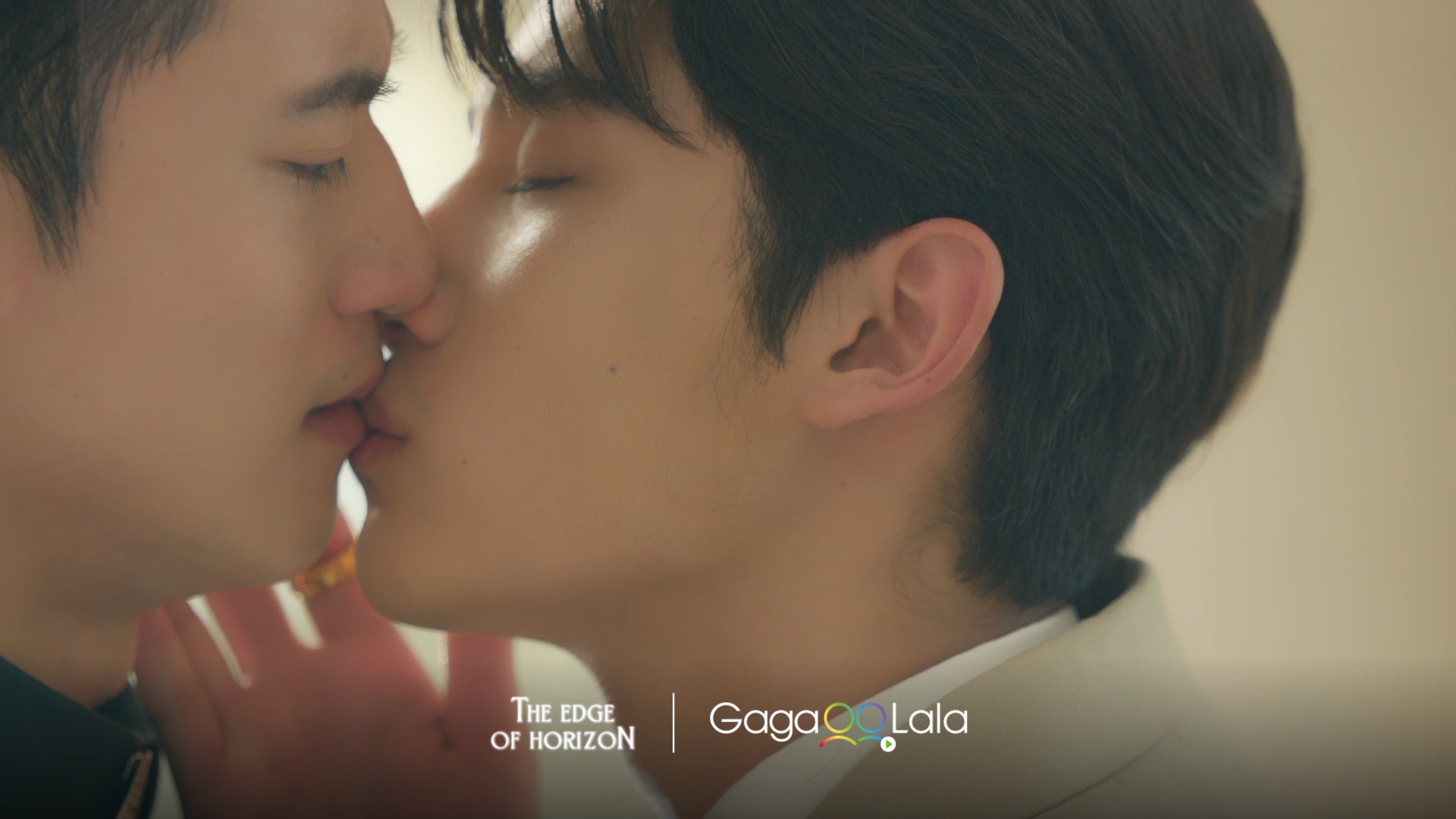
And then there are Inn and Ongsa.
For two leads this early in their careers to carry a story with this much emotional weight is remarkable. From the beginning, the longing between Tinn and Phob was written all over their faces before either character needed to say a word. That never disappeared. They made me believe in the history between these characters, the pain of their separation, and the determination behind their decision to keep choosing each other.
Imagine where these two can go with the right scripts and quality productions behind them.
The cinematography deserves just as much praise. Outside of a few hiccups and some very odd editing choices (that spin, y’all), The Edge of Horizon is visually stunning, with beautiful color grading, framing, and editing that make the historical world feel alive without allowing the production itself to overshadow the people living within it.
All in all, The Edge of Horizon did a great job. The story is beautiful and heart-rending, including the parts that absolutely crushed and frustrated me. I do wish the writers had taken more time with the final episode and a few other pieces of the story because it did need and deserve more, but I am content knowing Phob and Tinn now have the chance to look within themselves and their hearts. To heal. To understand each other (you can love someone and still not fully understand them). To take the time to truly understand the fight they’re currently in beyond their love story now that they’ve achieved being together. And to lick at the wounds their childhood gave them. I am also content knowing that the pros and cons of this series doesn’t take away from the team’s dedication, and I hope seeing comments about the show on each side of the spectrum pushes them to spend more time putting out quality shows with quality acting.
Because this show was great, and the acting was top tier. I cried as much as I smiled.
And I highly recommend looking up every cast member involved in this project because every one of them brought something important to it.
The Edge of Horizon is, thus far, my favorite series of 2026.
Not because it’s perfect, but because the effort the actors put into it shows. They really cared about the characters they played. It allowed love to exist alongside conversations about class, power, family, equality, and social change without losing sight of the two people at its center.
Phob and Tinn spend so much of their lives being told they can’t choose each other.
They do anyway.
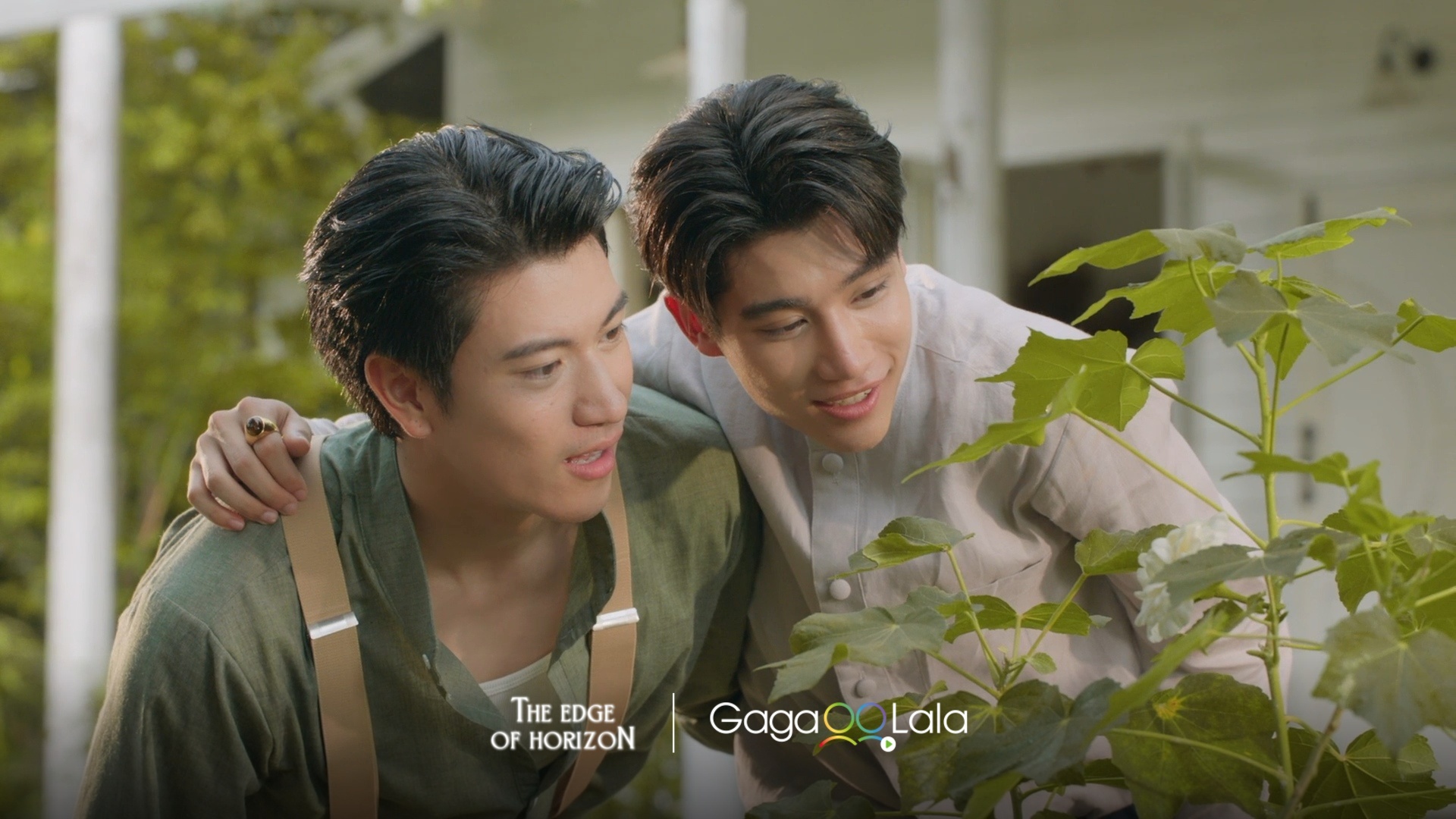
And maybe that’s ultimately what The Edge of Horizon is about. Change doesn’t always arrive all at once, doesn’t always look like what we expect it to, and doesn’t always change how we interact with the people closest to us (Tinn will always be Phob’s prince, “his royal highness,” after all). Sometimes it’s as simple as standing behind a love you can’t live without and choosing to push for the changes needed to make that love possible. Sometimes it begins with people willing to take another step forward even when the weight of everything behind them is trying to pull them back.
I’m really going to miss this series, and I can’t wait to see what this cast does next.
For a series guaranteed to touch your heart and make you think while also making you fall in love, check out The Edge of Horizon, now streaming on GagaOOLala.
Rating- 5 out of 5

