
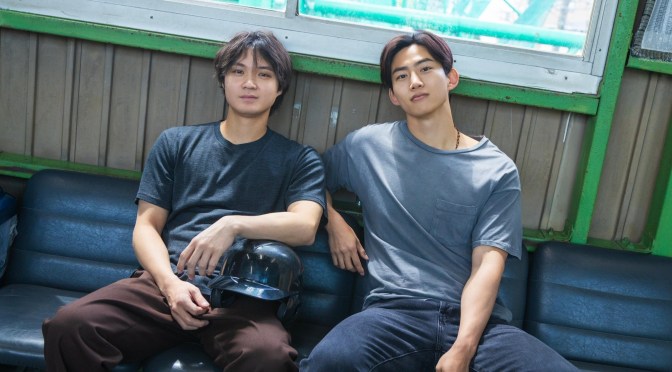
Unique is an interesting word. Depending on how it’s used, it can make someone feel special, or it can make someone feel alienated. Maybe that’s what stands out so much about the word itself, that it has the power to lift someone up while also weighing them down.
That’s precisely how I felt while watching Soul Mate.
Starring Hayato Isomura as Ryu Narutaki, Ok Taec-yeon as Hwang Johan, and Ai Hashimoto as Shinonome Sumiko, Soul Mate follows two wounded souls whose lives become intertwined over the course of a decade. Spanning Berlin, Seoul, and Tokyo, the story centers on Ryu, a young man haunted by guilt and loss, and Johan, a Korean boxer carrying burdens of his own. Together, they navigate grief, healing, and a connection that ultimately changes the course of both their lives.
Life is full of obstacles, ups and downs, and the constant struggle to stay afloat in a world that sometimes feels determined to pull you under.
I didn’t go into Soul Mate expecting to feel that so deeply, but I did.
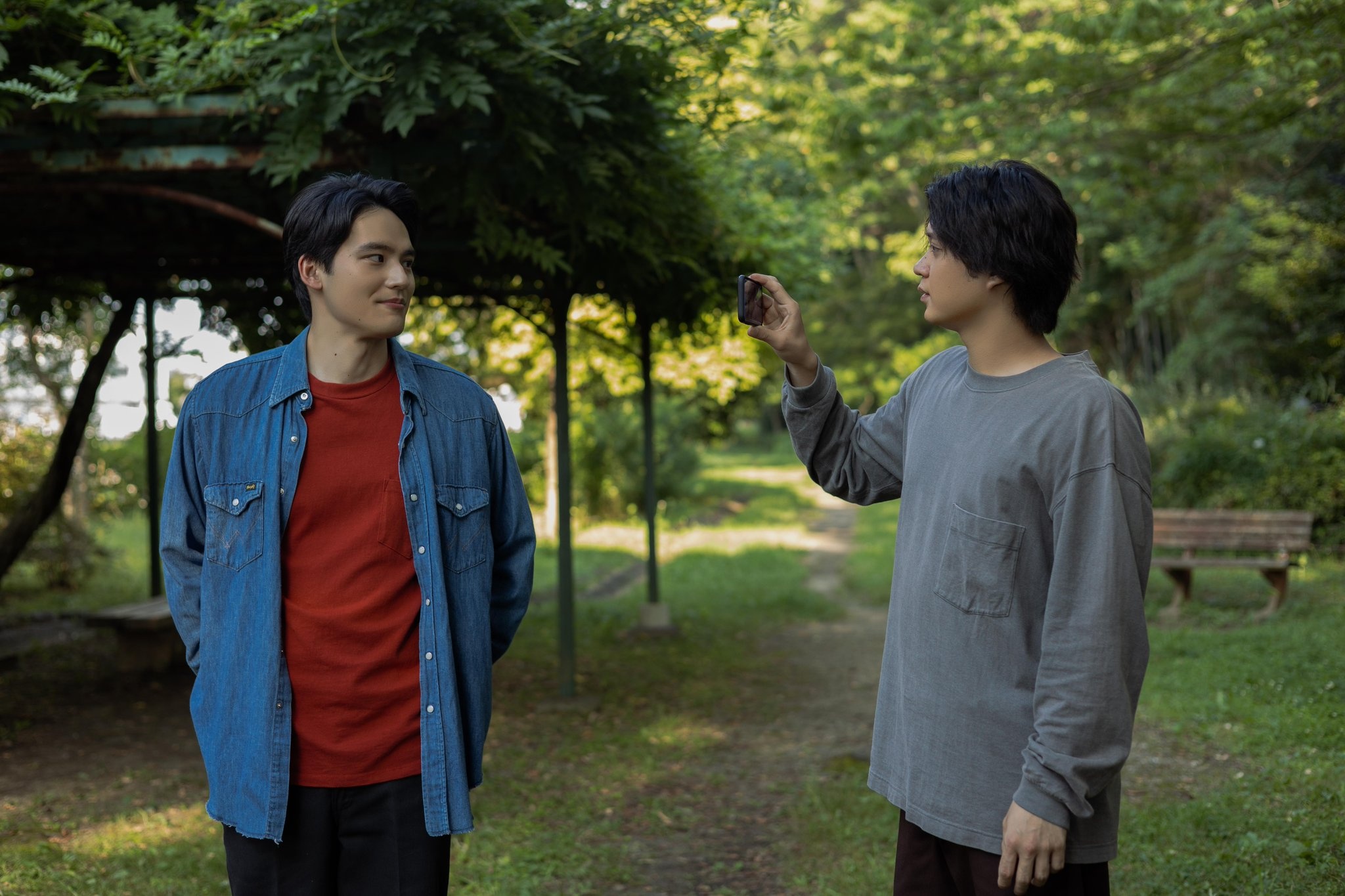
From beginning to end, the series is stunning. The performances, cinematography, symbolism, and character relationships are all vivid and compelling. Even after the credits rolled, the story lingered in my mind.
I’m sure there will be plenty of discussion surrounding Ryu and Johan, particularly regarding the relationship that develops between them. Not necessarily because of what they endure, but because of how viewers choose to define what exists between them. I think much of that interpretation depends on what people expect going in.
If you’re looking for a traditional BL series, this isn’t it. But if you approach Soul Mate understanding that these two men need each other on a soul-deep level, then the story delivers exactly what it promises. As heartbreaking as parts of their journey are, there’s also something beautiful about witnessing the profound influence they have on one another. Their bond doesn’t simply bring their lives together, it helps shape who they become and gives meaning to a path neither of them ever expected to walk.
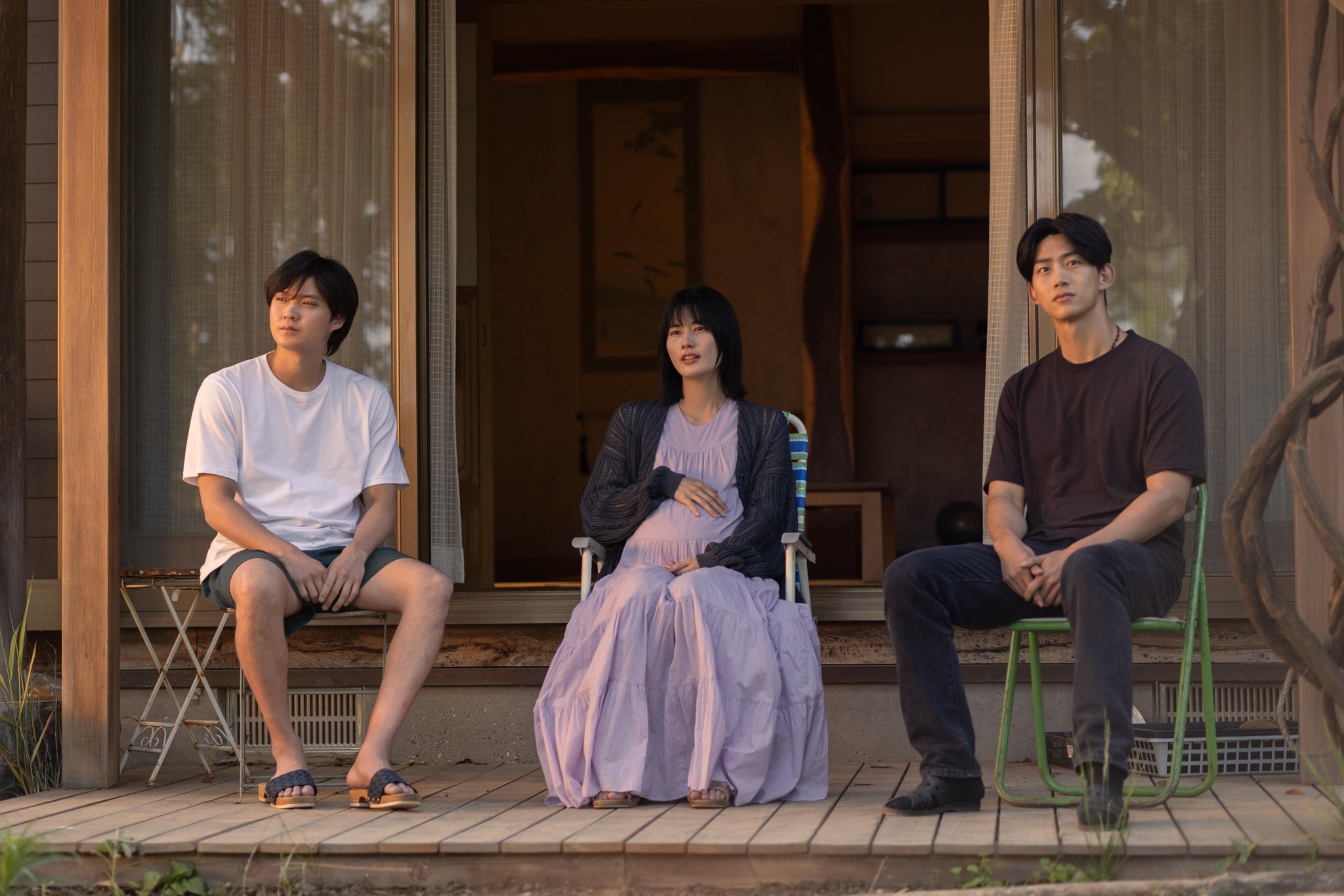
There’s a scene in Soul Mate where Johan and Ryu accompany Sumiko (Ryu’s childhood friend and later their roommate) to a daycare where the daughter they’re raising together will be attending school. During that moment, a staff member describes their family as unique.
That stayed with me.
I’m not sure whether the line was intended to carry as much weight as it did, but for me, Soul Mate is the very definition of unique. It lifts you up and weighs you down. It balances hope and heartbreak. It feels unlike anything else while simultaneously drawing from familiar themes of illness, loss, and mortality.
Somehow, it manages to be both.
As for Ryu and Johan’s relationship, I found it powerful because of the way it carries them forward. Not every love story includes a confession. Not every love story arrives at a clear conclusion. While part of me would have loved to see a queer romance with a happier ending, I never found myself resenting the story for choosing a different path.
Instead, I was moved by the honesty of what each character faces and by the family they build together along the way. Soul Mate is a good example that family isn’t defined solely by blood. Sometimes it’s created through love, loyalty, and the people who choose to stay.
I also appreciated how the series touched on larger themes, including corruption and the realities faced by women balancing both motherhood and career ambitions.
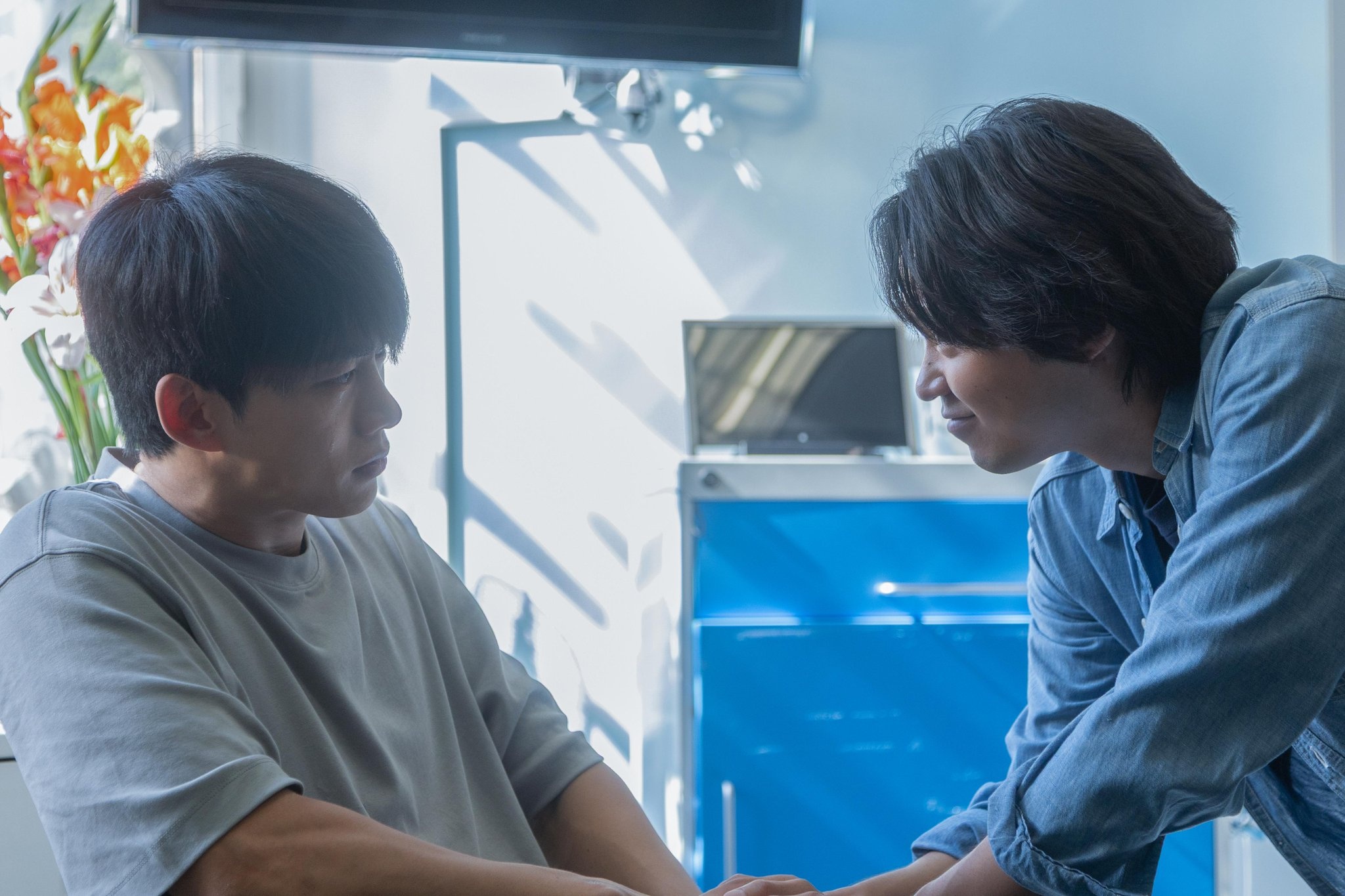
A lot happens over the course of Soul Mate. I cried more than once. But what really stood out was its understanding of how unique each person’s life truly is, and how a single word can carry entirely different meanings depending on who’s hearing it.
Soul Mate wasn’t the ending I hoped for.
But it was an ending that made me feel, reflect, and stay a while with these characters.
For a series that truly touches the soul, Soul Mate is now streaming on Netflix.
Rating- 5 out of 5

