
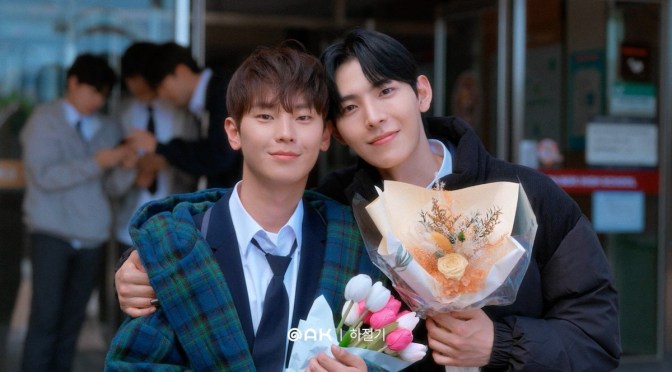
Fear is one of love’s biggest enemies, from being afraid to let go to being afraid that you don’t quite fit in a relationship.
And in the Korean BL Summertime, fear becomes one of the biggest obstacles standing between two people who have spent nearly their entire lives together.
Adapted from Iiromill’s web novel Summer, Summertime stars Kim Do Min as Yeo Eun Ho and Seong In Ho as Cha Do Hyeon, childhood best friends who have known each other for 19 years. Eun Ho knows Do Hyeon well enough to see beyond the “perfect” image he presents to everyone else, but there’s one thing he has somehow remained completely oblivious to: Do Hyeon’s been in love with him for years.
Do Hyeon has managed to keep his feelings hidden while slowly working his way further into Eun Ho’s heart. But when new student Kwon Yi Hyeon (Im Young Min) enters their lives, the comfortable little world Do Hyeon has built around the two of them begins to change, forcing feelings that have remained buried for years.

Summertime takes off running with this chaotic mix of feelings, diving headfirst into Do Hyeon’s unrequited love for his best friend before delving into how those feelings affect and change their relationship.
I wasn’t sure how I was going to feel about Summertime, especially after its first two episodes. There wasn’t a lot of emotion coming from the actors themselves, and while that made sense to some extent, it also felt like something was missing.
Until it wasn’t.
Somehow, what initially felt like an emotionless friends-to-lovers story bloomed into two boys who don’t really seem to communicate well with anyone but each other. And when they do, it’s more instinctive than it is through words.
There’s an undercurrent of feeling between Do Hyeon and Eun Ho tucked beneath their monotone expressions. It’s not unusual to have a tsundere lead, but I don’t often stumble into a drama where both leads are essentially tsundere. While Eun Ho has more friends and tends to be the easiest to ruffle, both are remarkably difficult to read outside of their interactions with each other.
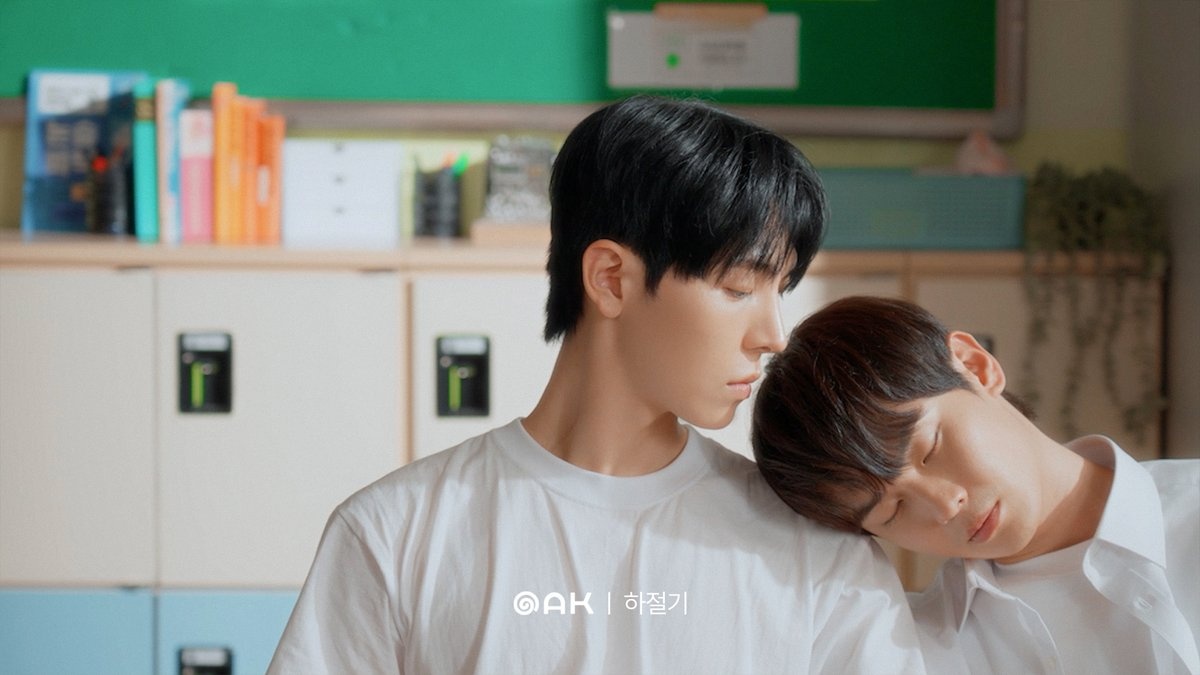
And I found myself fascinated enough by that to look forward to each new episode.
The lust. The desire. The need to cling to each other, even when it’s obvious they thrive on teasing and annoying each other.
But they also care about each other deeply, so much so that what makes them strong together also makes them weak. Because nothing can damage a relationship quite like being afraid you’re going to bring the person you love down with you. Eunho’s fear that he is less than and not worthy of Do Hyeon is relatable and very human, especially considering what an overachiever Do Hyeon is.
That kind of fear isn’t a new concept. It’s a very real fear that goes far beyond the screen. No one wants to believe they’re the reason their partner can’t succeed, especially when loving them also means wanting them to have every opportunity possible.
And that’s where Summertime worked best for me. Beneath the childhood friendship and romantic tension are two people who know each other better than anyone else, yet still have to learn that loving someone sometimes means trusting them to decide what they want for themselves.
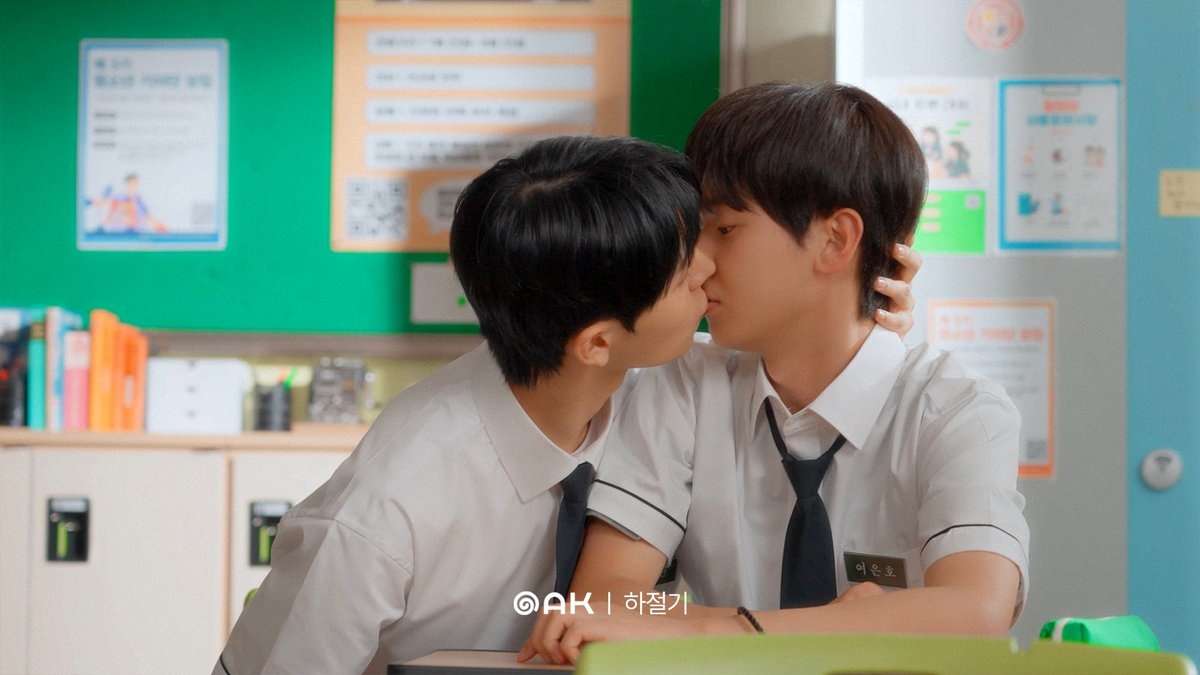
By the end of the series, the relationship appears to be flourishing and the domestic touches and the intimacy certainly leaves viewers excited about what appears to be a happy future for them.
Which brings me to my one true critique.
While the beginning of the series was a little slow for me, the series did eventually capture my attention before suddenly losing me again at the end.
I didn’t hate the ending. I simply don’t fully understand why it was chosen as the ending. And as someone who loves symbolism in dramas, I hate that the symbolic ending didn’t land for me.
I don’t believe everything that happened between Do Hyeon and Eun Ho was a dream, but I’m also not entirely sure why the series seems to imply that it could have been. Symbolically, I like the dream sequence because it gives Eun Ho a chance to go back and say what he wishes he’d said to a younger Do Hyeon. There’s something touching about being able to reach backward and give someone you love the words they needed before you knew how important those words would become.
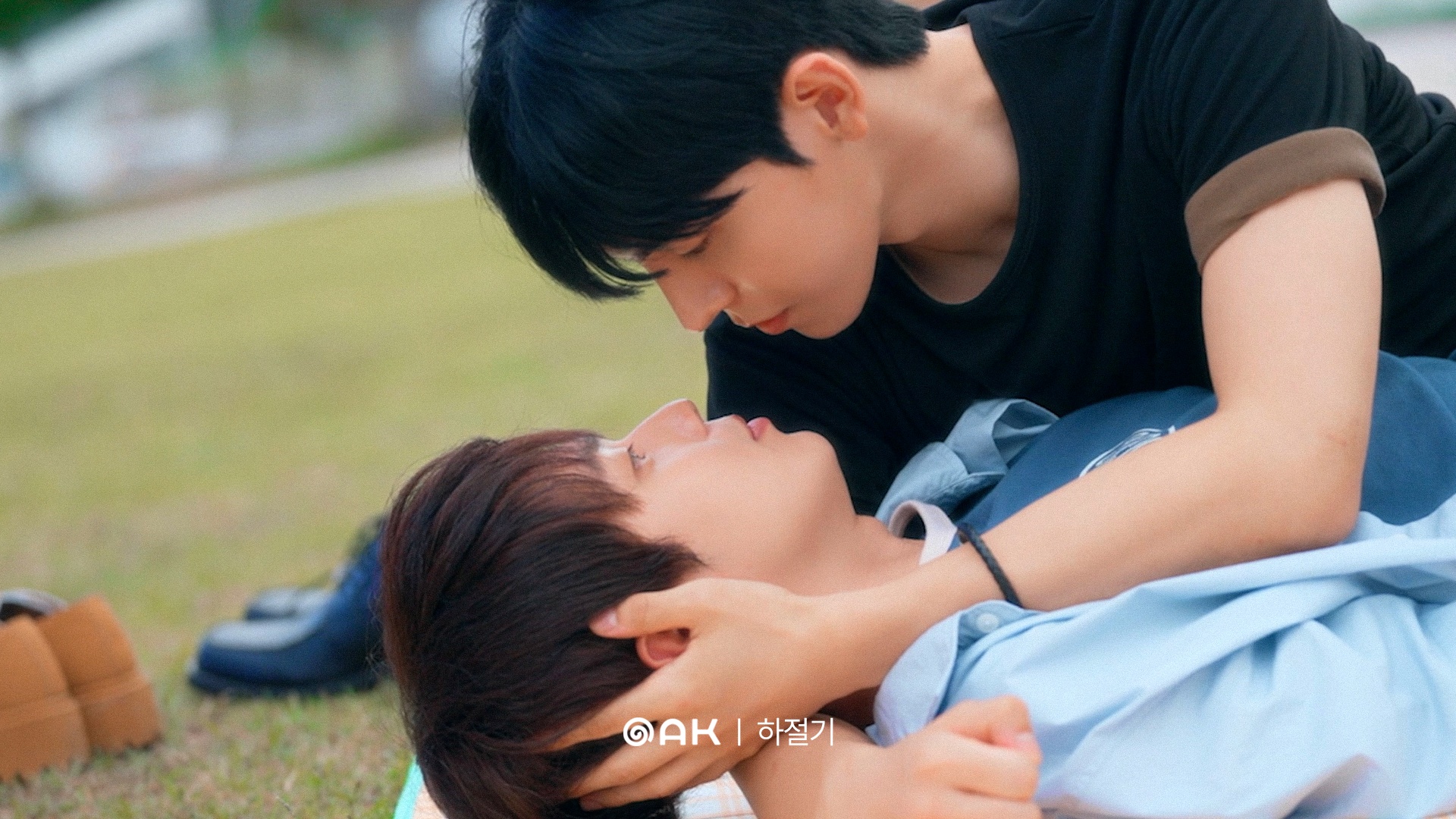
But I’m not sure this series needed it.
What I loved most about Summertime was that it gave Do Hyeon and Eun Ho the chance to grow together into the present. Their relationship didn’t need to be rewritten. It needed to be understood. And it felt like the ending took away from that a little.
All in all, I ended up loving Summertime much more than I thought I would. If the series had managed to stick the landing a little better, I think it would have resonated with me even more. But there’s still something strangely captivating about watching two people who have spent nearly their entire lives side by side finally confront what they’ve always meant to each other.
And I love that.
For a friends-to-lovers series filled with longing, fear, desire, and a touch of nostalgia, check out Summertime, now streaming on iQIYI.
Rating- 4 out of 5

